

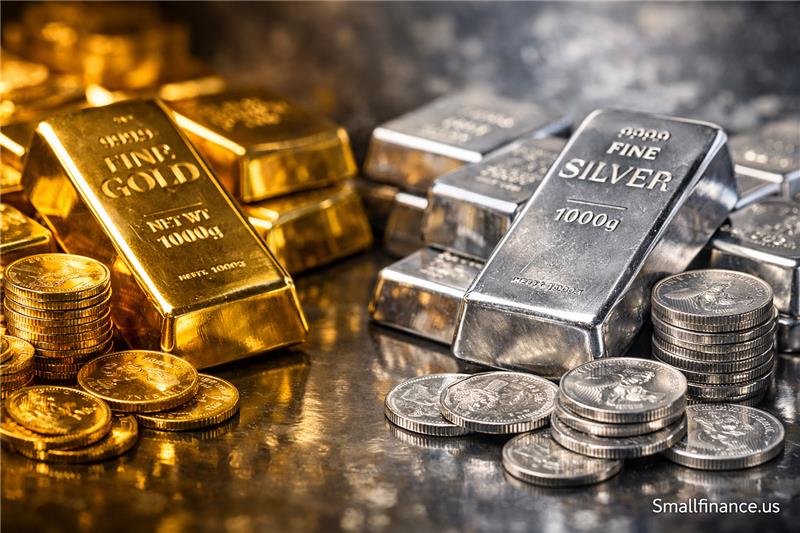
Highlights
- Gold holds higher value because scarcity, preserved above ground supply, and limited annual production create structural price strength compared to silver.
- Central banks accumulate gold as a reserve asset, which increases sovereign demand and reinforces long term monetary credibility.
- Silver depends heavily on industrial demand such as electronics and solar energy, which increases volatility during economic slowdowns.
- Gold functions primarily as a store of value and inflation hedge, while silver operates as both industrial commodity and investment asset.
- Market psychology strengthens gold’s premium because investors associate gold with safety, stability, and wealth preservation.
- The gold to silver ratio reflects structural differences between monetary dominance and industrial dependence.
- Portfolio diversification benefits from combining gold for stability and silver for growth potential.
Introduction
Gold is more valuable than silver because gold combines greater scarcity, stronger monetary history, lower industrial dependence, and higher psychological trust in wealth preservation than silver. Gold holds a dominant position in global reserves, central banking systems, and long term investment behavior, while silver serves a hybrid role that blends industrial demand with monetary history. That structural difference creates a persistent value gap in price, perception, and portfolio strategy.
How Does Scarcity Influence the Value of Gold Compared to Silver?
Scarcity increases gold’s value because gold exists in lower above ground quantities relative to long term demand and remains largely preserved rather than consumed. Gold production grows slowly, and most gold ever mined still exists in bullion, jewelry, or reserves. Silver supply, by contrast, experiences higher annual production and significant industrial consumption, which alters inventory dynamics differently.
Gold supply grows at approximately 1 to 2 percent annually through mining. Mining difficulty, geopolitical constraints, and environmental regulation limit expansion. Silver production often emerges as a byproduct of copper, lead, and zinc mining, which means silver supply can increase even when silver demand remains stable. That structural difference stabilizes gold’s supply growth while silver production fluctuates with broader mining cycles.
When I discuss scarcity with investors, I often explain that gold behaves like a preserved monetary stock while silver behaves partly like a consumable commodity. That preservation factor reinforces gold’s store of value function. Market participants value consistency, and gold’s consistent supply growth reinforces confidence.
Geological Rarity
Geological concentration determines extraction cost and availability. Gold deposits occur in smaller concentrations and require intensive exploration, advanced extraction technology, and significant capital investment. Silver deposits appear more widely distributed and often accompany other metals, which lowers exclusive mining pressure.
Gold mining companies operate with high capital expenditure and long project timelines. Silver production frequently depends on base metal profitability. That dependency increases silver supply elasticity and reduces perceived rarity.
Above Ground Stock
Above ground stock measures total refined metal available in circulation. Gold maintains a large cumulative stock because most mined gold remains intact. Silver experiences industrial use in electronics, medical devices, and solar panels, which reduces recoverable supply in certain cases.
Gold recycling rates remain high due to jewelry resale and bullion liquidation. Silver recycling exists but often costs more relative to value recovered from small industrial components. That difference sustains gold’s monetary dominance.
Why Does Monetary History Strengthen Gold’s Dominance?

Monetary history elevates gold because civilizations consistently used gold as a standard of value, reserve asset, and currency backing. Silver also functioned as money in many societies, yet gold typically represented higher denomination wealth and sovereign power.
Ancient empires such as Rome and Egypt stored gold in treasuries. Modern central banks continue holding gold as part of foreign exchange reserves. Global confidence in gold evolved over thousands of years. Silver maintained coinage status historically, but global reserve systems gradually shifted toward gold.
When I analyze monetary history with readers, I explain that trust compounds over centuries. Gold’s symbolic association with stability, sovereignty, and permanence influences modern investment psychology. Collective memory strengthens gold demand during economic uncertainty.
Gold Standard System
The gold standard linked national currencies to fixed quantities of gold. Countries settled trade imbalances using gold transfers, which anchored international confidence. Even after abandonment of the gold standard, gold retained reserve status within central banks.
Central bank balance sheets still include gold as a strategic asset. Monetary authorities view gold as protection against currency devaluation and geopolitical risk.
Cultural Symbolism
Cultural symbolism reinforces value perception. Gold symbolizes wealth, marriage, achievement, and prestige across continents. Religious artifacts, royal regalia, and ceremonial objects frequently feature gold.
Silver also holds decorative value, yet gold’s association with power and divinity strengthens emotional demand. Emotional demand translates into sustained purchasing behavior.
How Does Industrial Demand Differentiate Silver from Gold?
Industrial demand creates volatility in silver pricing while gold remains primarily an investment and reserve asset. Silver plays a major role in electronics, photovoltaic solar cells, medical instruments, and chemical catalysts. Gold participates in electronics and dentistry but at smaller proportional demand relative to total supply.
Economic expansion increases silver consumption. Recession reduces manufacturing output, which lowers silver demand. Gold demand often increases during recession due to safe haven flows. That inverse behavior supports gold’s higher stability.
I often explain to readers that silver behaves like a hybrid asset. Hybrid assets combine commodity cycles with investment cycles. Gold behaves more like a pure monetary hedge. Hybrid structure limits silver’s ability to maintain consistently higher pricing.
Electronics and Technology
Silver possesses high electrical conductivity, which makes silver critical in circuit boards, smartphones, and renewable energy systems. Industrial demand accounts for more than half of silver consumption in some years.
Gold also conducts electricity efficiently but costs more, which restricts usage to specialized applications. Silver’s industrial reliance links price performance to technology growth cycles.
Economic Cycles
Economic cycles influence commodity demand. Industrial expansion raises silver consumption. Economic contraction reduces manufacturing output and weakens silver prices.
Gold demand often increases during financial stress. Investors purchase gold when inflation rises or when stock markets decline. That countercyclical demand pattern strengthens gold’s relative value.
What Role Do Central Banks and Investors Play?
Central bank participation significantly increases gold’s value. Global monetary authorities accumulate gold as part of reserve diversification strategies. Silver lacks meaningful central bank reserve accumulation in modern systems.
Investment vehicles such as exchange traded funds, bullion coins, and futures contracts attract capital into both metals. However, gold ETFs and sovereign coin programs dominate global precious metal investment flows.
From my personal observation during market turbulence, institutional investors often move capital into gold rather than silver when systemic risk rises. That capital concentration amplifies gold’s price support.
Reserve Asset Status
Reserve asset status gives gold structural demand. Governments purchase gold for currency diversification and geopolitical security. Reserve purchases reduce available market supply.
Silver does not hold comparable reserve status. Lack of sovereign demand reduces structural support.
Investment Products
Gold investment products include bullion bars, sovereign coins, and large exchange traded funds. Silver investment products exist but attract smaller institutional allocation.
Liquidity depth in gold markets enhances price stability and investor confidence.
| Factor | Gold | Silver |
| Central bank demand | High | Minimal |
| Industrial dependence | Low | High |
| Monetary history | Strong | Moderate |
| Price volatility | Lower | Higher |
How Does Market Psychology Affect Perceived Value?
Market psychology elevates gold because investors associate gold with safety, permanence, and inflation protection. Silver carries both speculative and industrial connotations, which influence price volatility.
Perception shapes demand. Investors perceive gold as crisis insurance. Insurance assets command premium pricing because protection has psychological value beyond measurable output.
When I talk with new investors, I notice that many choose gold for peace of mind rather than pure return expectations. Emotional stability influences buying behavior more than spreadsheets alone.
Safe Haven Narrative
Safe haven narrative positions gold as protection against currency depreciation and geopolitical instability. Media coverage reinforces gold’s crisis role.
Silver participates in safe haven demand but often experiences sharper price swings, which reduces perceived stability.
Inflation Hedge Belief
Inflation hedge belief strengthens gold demand during rising consumer prices. Investors purchase gold to preserve purchasing power.
Silver also responds to inflation but industrial slowdown during stagflation can offset monetary demand.
How Does the Gold to Silver Ratio Explain Price Differences?
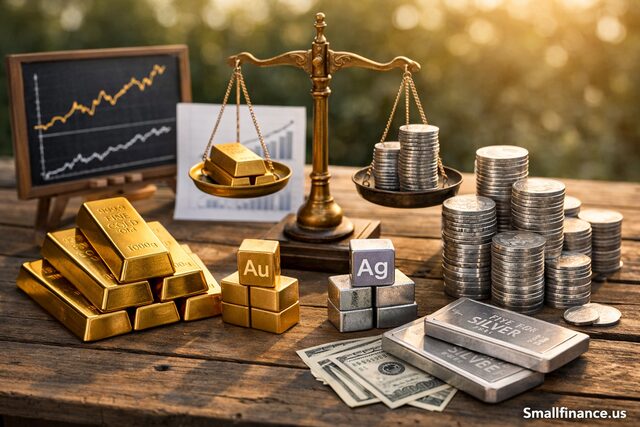
The gold to silver ratio measures how many ounces of silver equal one ounce of gold. Historical averages fluctuated widely depending on monetary systems and industrial demand.
High ratio values indicate silver undervaluation relative to gold. Low ratio values indicate silver strength. Long term ratio trends show gold maintaining premium pricing due to reserve dominance.
When I monitor the ratio, I use the number as a comparative tool rather than prediction model. Ratio shifts often reflect macroeconomic conditions.
Historical Ratio Trends
Ancient bimetallic systems fixed ratios around 15 to 1. Modern free markets produced ratios ranging from 30 to above 80.
Market liberalization increased volatility because industrial demand influenced silver independently.
Strategic Allocation
Investors use ratio analysis to rebalance portfolios. High ratios encourage silver accumulation strategies. Low ratios favor gold holdings.
| Period Context | Typical Ratio Range |
| Bimetallic era | 12 to 16 |
| 20th century average | 40 to 60 |
| Financial crisis peaks | 70 to 100 |
What Are the Advantages and Limitations of Each Metal for You?
Gold offers stability, liquidity, global recognition, and lower volatility. Silver offers affordability, higher percentage growth potential, and industrial growth exposure.
Portfolio diversification benefits from combining both metals. Gold protects against systemic risk. Silver adds speculative upside during economic expansion.
In my experience guiding discussions about wealth preservation, balanced allocation reduces emotional stress during market swings. Overconcentration in one metal increases exposure to single demand drivers.
Advantages of Gold
Gold provides long term purchasing power retention. Gold maintains central bank backing and strong global liquidity. Gold exhibits lower volatility during crises.
Higher entry cost limits accessibility for small investors.
Advantages of Silver
Silver provides lower price entry point. Silver benefits from renewable energy expansion and technological growth. Silver historically outperforms gold during strong commodity bull markets.
Higher volatility increases short term risk.
Future outlook suggests renewable energy demand may strengthen silver consumption, while geopolitical tension and inflation uncertainty may reinforce gold accumulation. Strategic awareness allows you to align purchases with financial goals.
Conclusion
Gold holds greater value than silver because gold combines scarcity, preserved above ground stock, central bank demand, monetary history, psychological trust, and lower industrial dependence. Silver remains essential for technology and manufacturing, yet industrial exposure increases volatility and reduces reserve dominance. Gold functions primarily as a store of value and financial hedge, while silver operates as both commodity and investment asset. Understanding structural differences allows smarter allocation decisions. Balanced strategy aligns metal selection with inflation protection, growth exposure, and risk tolerance.
FAQ’s
Why is gold rarer than silver?
Gold occurs in lower geological concentrations and experiences slower annual supply growth. Above ground preservation also reinforces scarcity perception.
Can silver ever become more valuable than gold?
Silver could outperform gold in percentage gains during strong industrial expansion, yet structural reserve dominance makes sustained price inversion unlikely.
Which metal protects better against inflation?
Gold historically provides stronger inflation hedge performance due to central bank demand and safe haven status.
Should beginners buy gold or silver?
Beginners often start with silver due to affordability, while gold provides stability for larger capital preservation strategies.
Does technology demand increase silver value?
Renewable energy and electronics increase silver consumption, which can support long term demand growth.
Read Next: Silver was the most volatile in 40 years, while gold de-leveraged and became less volatile.
