

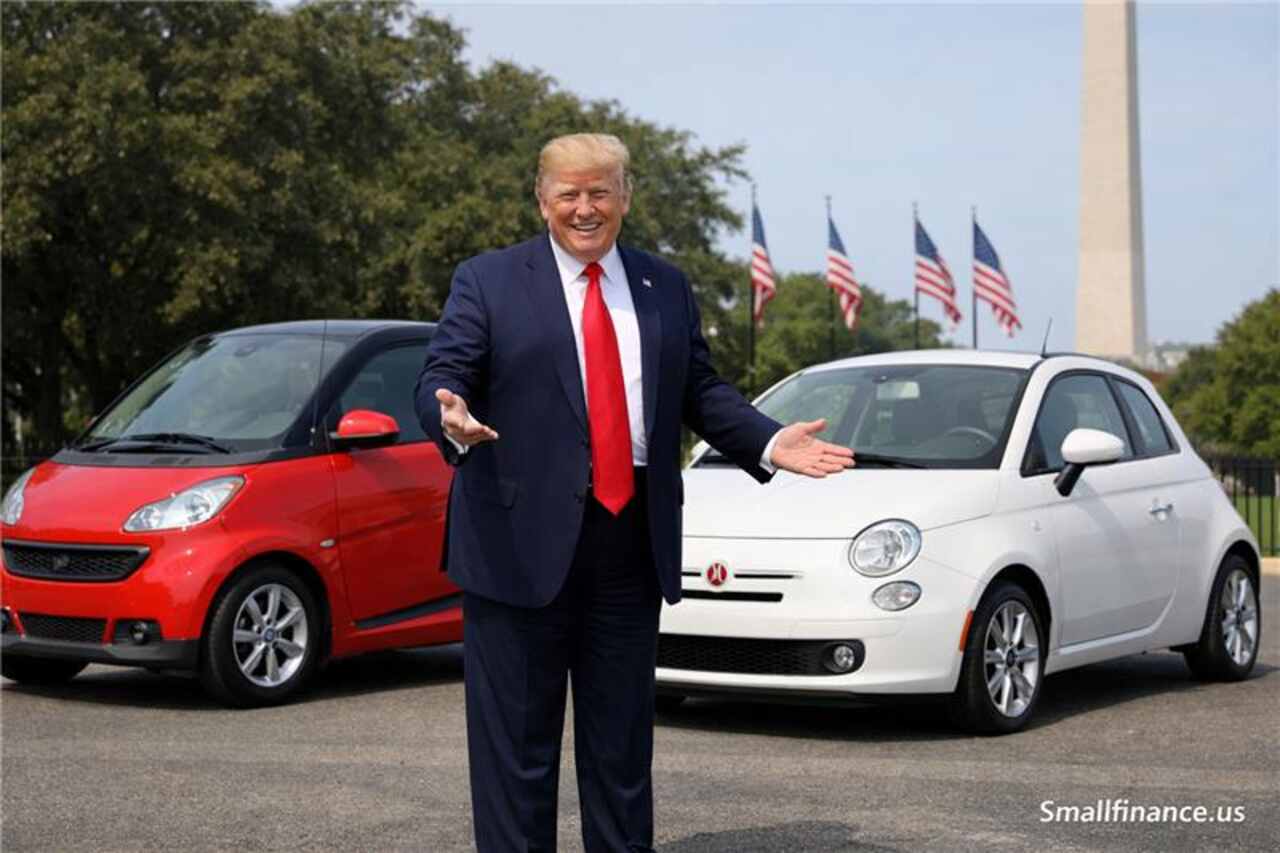
Why Did Donald Trump Endorse Tiny Cars in His Recent Statement?
Donald Trump publicly described tiny cars as “amazing,” highlighting their efficiency, compact design, and innovation in the automotive industry. The endorsement stemmed from growing political discourse around climate-conscious technology, fuel economy regulations, and electric vehicle (EV) manufacturing.
The statement aligns Trump with evolving global automotive trends, particularly in European and Asian markets where microcars and compact EVs dominate urban transportation. Trump’s remark appears to target economic benefits such as lower production costs and potential domestic manufacturing growth, particularly in Republican-dominated states with developing EV infrastructure.
Trump’s praise also aligns with broader Republican narratives focused on American energy independence and reducing reliance on foreign oil. Tiny electric vehicles and hybrids can offer long-term strategic advantages that support this position.
Are American Cultural Preferences Aligned With Tiny Car Adoption?
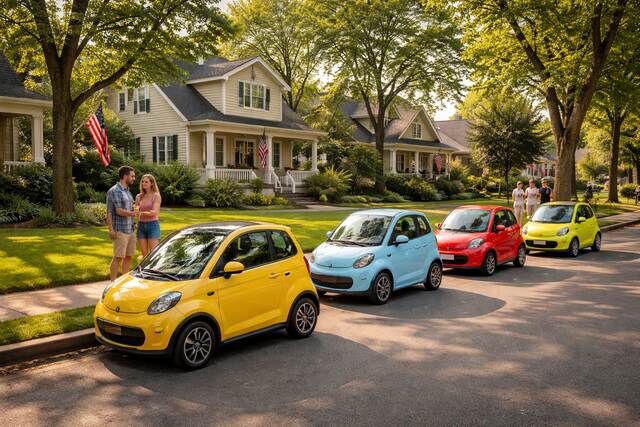
American car culture has traditionally favored large vehicles such as SUVs, pickup trucks, and full-sized sedans. The preference is deeply rooted in suburban expansion, interstate highway systems, and perceived safety benefits associated with heavier vehicles.
Tiny cars contradict this legacy by offering minimal physical footprint, lower horsepower, and compact interiors. These features are often associated with lower status symbols in U.S. consumer perception. Marketing data reveals American buyers equate larger vehicles with freedom, safety, and family functionality, which contrasts sharply with the minimalist appeal of tiny cars.
American masculinity norms often associate small cars with reduced social dominance. This perception is further reinforced by popular media. The resulting cultural friction presents a significant semantic obstacle in shifting mainstream consumer interest toward compact mobility solutions.
What Role Do Urbanization and Traffic Patterns Play in Shaping Demand?
Urban congestion, rising fuel prices, and evolving parking limitations in cities such as New York, San Francisco , and Chicago create favorable environments for tiny car adoption. Urban dwellers face logistical challenges where vehicle maneuverability, fuel economy, and reduced parking space are prioritized over size or engine power.
Micro EVs and city cars offer quantifiable urban mobility solutions. They reduce commute stress, improve energy efficiency, and integrate seamlessly into multi-modal transportation networks like metro systems and last-mile scooters. As cities prioritize low-emission zones and car-free initiatives, compact electric vehicles provide a sustainable workaround.
Public infrastructure investments such as dedicated compact EV charging stations and reduced toll fees for small vehicles further enhance the contextual appeal of tiny cars in metropolitan regions.
How Does the Automotive Industry React to Shifting Political and Consumer Signals?
Major automakers like General Motors, Ford, and Tesla monitor political endorsements and regulatory shifts closely. Trump’s approval of tiny cars, despite his prior criticism of environmental regulations, introduces an unusual narrative opportunity for manufacturers to explore lightweight platforms, modular designs, and regional microcar launches.
Toyota’s iQ, Fiat’s 500e, and Smart’s EQ ForTwo have struggled in the U.S. due to pricing mismatches and marketing misalignment. However, next-generation micro-EVs using lithium iron phosphate (LFP) batteries, flexible manufacturing processes, and AI-enhanced infotainment systems may reframe consumer perceptions.
Supply chains that enable scalability and rapid prototyping, especially those centered around North American gigafactories, are key to aligning Trump’s praise with realistic market shifts. Automakers are likely to invest in rebranding compact EVs not just as green but as smart, patriotic, and tech-forward vehicles.
Will American Consumers Overcome Psychological and Practical Barriers?
Psychological resistance remains the largest barrier to mass tiny car adoption in the U.S. Consumers often fear poor crash survivability, limited cargo space, and insufficient power for interstate driving. These concerns were historically validated by earlier microcar crash ratings.
Automotive safety has evolved, and modern tiny EVs now feature high-strength aluminum frames, enhanced driver-assist systems, and reinforced crumple zones. Regulatory advances by NHTSA (National Highway Traffic Safety Administration) are redefining safety standards for small formats, particularly for urban driving speeds.
Practical concerns like resale value, battery longevity, and charging access also influence buyer hesitation. However, policy incentives such as federal EV tax credits, state-level rebates, and expanding fast-charging networks provide tangible solutions.
Automotive education campaigns, particularly those emphasizing total cost of ownership, environmental footprint reduction, and city performance, are essential for reshaping public perception around micro-mobility solutions.
Conclusion: Will Trump’s Tiny Car Endorsement Influence American Car Buyers?
Trump’s endorsement could catalyze renewed interest in compact electric vehicles if strategically harnessed by automakers and urban planners. Semantic resistance rooted in American vehicle identity, practical concerns, and infrastructure readiness continues to obstruct mass market penetration.
The future of tiny cars in the U.S. depends on integrating cultural rebranding with political alignment, technological upgrades, and urban mobility demands. Turning “amazing” from a rhetorical flourish into a viable consumer movement requires a semantic strategy that addresses both legacy perceptions and emerging needs.
