


What Is the Expanded U.S. Visa‑Bond Requirement?
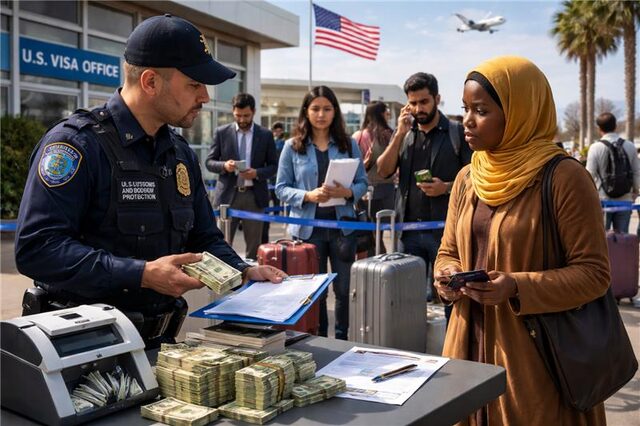
The U.S. government has broadened its visa‑bond pilot program, now requiring citizens of 38 countries to deposit bonds of $5,000 – $15,000 when applying for certain visitor (B‑1/B‑2) visas. The bond program is designed to discourage overstays by tying a financial guarantee to adherence to visa conditions. Payments are refundable if terms are met or a visa is denied, though the bond itself does not guarantee issuance of a visa.
Which Countries Were Added and When Does It Take Effect?
Nationals of an expanded list including Algeria, Angola, Antigua and Barbuda, Bangladesh, Benin, Burundi, Cape Verde, Cuba, Djibouti, Dominica, Fiji, Gabon, Ivory Coast, Kyrgyzstan, Nepal, Nigeria, Senegal, Tajikistan, Togo, Tonga, Tuvalu, Uganda, Vanuatu, Venezuela, and Zimbabwe have joined earlier additions such as Bhutan, Botswana, Central African Republic, Guinea, Guinea‑Bissau, Malawi, Mauritania, Namibia, Sao Tome and Principe, Tanzania, Turkmenistan, and Zambia. The new requirement takes effect Jan. 21, 2026 for most of the recently added countries.
How Does the Bond Process Work?
Visa officers determine the bond amount ($5,000, $10,000 or $15,000) at the time of the interview. Applicants must complete Department of Homeland Security Form I‑352 and pay through the U.S. Treasury’s Pay.gov platform after direction from a consular officer. Posting the bond is required before visa issuance steps proceed but does not guarantee approval.
Why Is the U.S. Expanding This Policy?
U.S. officials assert that bond requirements are a tool to reduce visa overstays, particularly in countries with higher estimated rates of non‑departure. The expansion aligns with broader immigration tightening measures that include in‑person interviews for most visa applicants and increased scrutiny of travel and social media histories. Critics argue the policy may disproportionately affect lawful travelers by raising travel costs.
What Else Applicants Should Know
Visa holders posting a bond generally must enter and exit the U.S. through designated airports (e.g., Boston Logan, JFK New York, Washington Dulles) to maintain compliance. Failure to depart before visa expiration or requests to adjust status could trigger bond forfeiture or referral to immigration authorities.
