


My name is Jordan Belfort, and I’m an experienced crypto trader who has spent the past several years actively trading on Coinbase and making frequent withdrawals. In this guide, I’m sharing my practical experience on how to withdraw money from Coinbase smoothly, quickly, and securely. Whether you want to cash out crypto profits, manage liquidity, or transfer funds to your PayPal or bank account, I’m explaining all the proven steps I personally use every day.”
Withdrawing money from Coinbase is a core action for any crypto user who wants to convert digital assets into real-world spending power. The process involves cashing out crypto, choosing a withdrawal method, and ensuring your bank account, PayPal account, or external wallet is properly set up. Because Coinbase operates under strict financial regulations, each withdrawal method has its own limits, fees, verification requirements, and timing. Mastering these steps helps you avoid delays, unnecessary fees, and failed transfers.
Start the Withdrawal by Converting Crypto to Fiat
The first step to withdraw money from Coinbase is converting your crypto asset into fiat currency such as USD, EUR, or GBP. This ensures the platform can use regulated banking rails to send funds to your preferred destination. You simply select the asset you want to sell, choose your local currency, and confirm the transaction. Once the sale is complete, the fiat balance will appear inside your Coinbase fiat wallet.
Most users rely on USD Wallet, EUR Wallet, or GBP Wallet depending on their region. Each wallet acts as a temporary holding place before the money reaches your bank. The conversion step requires network confirmations, so assets like Bitcoin or Ethereum may take slightly longer before they become eligible for cashout. Coinbase also applies spread fees and trading commissions, which vary based on region and liquidity.
After converting crypto to cash, Coinbase may place the funds under a temporary hold to reduce fraud risks. Holds generally depend on payment method, account age, and Trust Score parameters. High-trust accounts experience fewer delays, allowing faster withdrawals and access to Instant Cashout features.
Select the Withdrawal Method That Matches Your Region
Choosing the right withdrawal method affects speed, fees, and success rate. Coinbase supports multiple cashout channels such as bank transfers, PayPal, debit card withdrawals, SEPA, ACH, and Instant Cashouts. The method available to you depends on your country of residence and the regulatory entity governing your account.
Bank transfers typically provide the highest limits but have longer settlement times. PayPal offers flexible withdrawals for everyday spending, although availability varies by jurisdiction. Instant Cashout using Visa or Mastercard rails can move money within seconds, but fees apply. European users often rely on SEPA for smooth euro withdrawals, while U.S. users primarily use ACH or debit card instant transfers.
Because withdrawal options vary significantly, Coinbase automatically displays eligible methods inside the “Cash Out” screen. This dynamic filtering ensures you see only the payment methods legally supported by your region, preventing transaction failures or denied transfers.
Connect and Verify Your Bank Account or PayPal for Cashouts
To withdraw money from Coinbase, you must connect and verify your destination account. This ensures compliance with financial regulations and prevents funds from being sent to fraudulent or unauthorized recipients. Verification helps establish identity integrity and aligns with anti-money laundering (AML) requirements.
Bank account verification usually involves micro-deposits or login authorization through secure banking APIs. PayPal connections require account login and confirmation of ownership. Debit card connections may require additional 3-D Secure verification. Each verified destination remains available for future withdrawals without repeating the setup process.
After linking a withdrawal destination, Coinbase evaluates security signals such as device trust, login history, and KYC completion level. Fully verified accounts get higher withdrawal limits, better Instant Cashout access, and fewer delays. In contrast, newly created accounts may experience temporary restrictions until trust is built.
Execute the Cashout Transaction Inside Coinbase
Once your assets are converted and your withdrawal method is ready, the final step is executing the actual cashout. You simply select your fiat wallet, choose the withdrawal destination, and confirm the transfer amount. Coinbase will then display an estimated arrival time and associated fees before you finalize the transaction.
Depending on your region, you may see options like ACH, wire transfer, SEPA, PayPal, or debit card instant withdrawal. Each method has different speed profiles. Instant Cashouts are nearly immediate, while ACH transfers can take several business days. Wire transfers generally settle faster than ACH but may carry higher bank fees.
After confirming the withdrawal, Coinbase sends notifications to track progress. You can check the withdrawal status in your transaction history. If you used a real-time payment rail, the funds typically appear immediately. If you used a regulated bank transfer, settlement depends on banking hours, holidays, and region-specific clearing cycles.
Transfer Funds from Coinbase to External Wallets When Needed
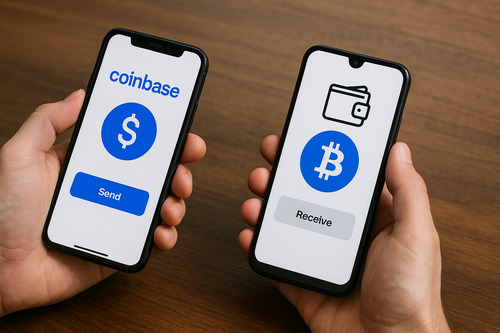
Some users prefer moving crypto to an external wallet before converting to fiat. This approach gives more control over private keys and provides flexibility to sell on another exchange. Coinbase supports transfers to hardware wallets, mobile wallets, and Coinbase Wallet.
The transfer begins by selecting the crypto asset, choosing “Send,” and entering the external wallet address. Blockchain network fees apply, and settlement time depends on the underlying chain. Bitcoin, Ethereum, Solana, and other networks each have distinct confirmation requirements.
Moving assets externally is useful for users who want lower trading fees available on other exchanges, more liquidity options, or decentralized finance access. However, this method introduces more steps and risks, including incorrect addresses or slow network congestion.
Review the Withdrawal Times for Each Method
Withdrawal speed varies by region and payment type. Instant Cashout is the fastest choice, while ACH is the slowest. Users often pick methods based on urgency and cost-efficiency. Coinbase provides transparent ETA estimates during checkout.
Timeframes also depend on blockchain settlement if you’re first converting crypto. Some chains settle in seconds, while others require dozens of confirmations. Bank holidays and weekends can slow down traditional finance rails even after Coinbase releases the funds.
Below is a table summarizing typical withdrawal times:
Table: Coinbase Withdrawal Time Comparison
| Withdrawal Method | Typical Speed | Notes |
| Instant Cashout (Debit Card) | Seconds | Higher fees, regional availability |
| PayPal Withdrawal | Minutes | Fast, convenient |
| ACH Transfer (U.S.) | 3–5 business days | No fees, but slow |
| Wire Transfer | 1 business day | May incur bank fees |
| SEPA Transfer (EU) | 1–2 business days | Reliable for EUR withdrawals |
Understand the Withdrawal Fees on Coinbase
Fees depend on the withdrawal method and region. Coinbase charges for Instant Cashouts, spread fees for conversions, and sometimes network fees for blockchain transactions. ACH transfers are typically free, while wire transfers may incur both Coinbase and bank fees.
PayPal may apply additional costs based on currency conversion. Debit card instant withdrawals include percentage-based fees. Crypto-to-fiat conversion spreads fluctuate with market liquidity and volatility.
By selecting fee-efficient methods like ACH or SEPA, users can reduce costs. Monitoring real-time fee updates helps avoid peak periods with high spreads, especially for assets like Ethereum during network congestion.
Check Your Withdrawal Limits Before Cashing Out
Withdrawal limits vary based on account verification level, jurisdiction, and payment method. New accounts often have lower limits until they establish a positive transaction history. Fully verified users and high-trust profiles enjoy higher daily limits.
Limits apply to both fiat withdrawals and crypto sends. Instant Cashout methods like debit cards have lower maximums compared to ACH or SEPA. Coinbase automatically displays remaining limits inside the withdrawal screen to prevent failed transactions.
Users with professional trading needs may apply for higher limits manually by submitting additional documents such as proof of income or business registration. These enhanced verification steps increase account trust and regulatory compliance.
Avoid Delays by Completing All Verification Requirements
Withdrawal delays happen when security flags appear. Completing KYC verification, enabling two-factor authentication, and using trusted devices reduces friction. Coinbase may place holds on funds from recent buys or suspicious transactions to protect users.
Timing also affects delays. Weekends and holidays impact banking schedules. Large withdrawals may require manual review. Mismatched names between Coinbase and bank accounts often cause automatic rejections.
To avoid setbacks, maintain accurate profile information, limit logging in from unfamiliar locations, and avoid high-risk behaviors such as VPN usage during withdrawals. These signals improve your internal Trust Score and reduce the chance of frozen withdrawals.
Troubleshoot Pending or Failed Withdrawals
When withdrawals stay pending or get rejected, root causes often involve verification issues, insufficient funds, or banking restrictions. Coinbase provides status messages with hints about what needs attention.
Pending statuses usually resolve automatically once holds clear or banking cycles resume. Failed withdrawals often require updating the bank account, switching payment methods, or re-verifying identity documents. Expired debit cards or locked PayPal accounts also cause failures.
If funds seem stuck, users can contact Coinbase support or check their bank for incoming reversals. Sending crypto to another exchange for withdrawal is an alternative when traditional rails fail, but it introduces extra steps and fees.
Choose Between Instant or Standard Withdrawals
Instant Cashout moves funds in seconds using Visa or Mastercard rails. It’s ideal for urgent payments or rapid access to profits. However, it involves higher fees and lower limits. Standard bank transfers cost less and support larger amounts but take longer.
Users with stable liquidity needs often prefer ACH or SEPA to maximize cost-efficiency. Day traders and gig economy users benefit from Instant Cashout to access earnings quickly. The choice depends on timing, urgency, and fee tolerance.
Coinbase shows both options during withdrawal, allowing you to compare cost and ETA before making a decision.
Select the Fastest Method for Your Cashout Needs
The fastest method is Instant Cashout, followed by PayPal withdrawals. Wire transfers are faster than ACH but may incur extra fees. If speed is your priority, choose debit card Instant Cashout or PayPal when available.
Crypto-friendly neobanks may process incoming funds faster than traditional banks. Time of day and business hours also affect speed. Users often withdraw before local banking cut-off times to avoid next-day delays.
Instant Cashout availability varies by region. Some countries receive faster payments through localized networks such as Faster Payments (UK) or RTP in the U.S.
Factor in Tax Obligations When Withdrawing
Withdrawing money from Coinbase triggers tax reporting obligations in many jurisdictions. Selling crypto for fiat typically counts as a taxable event, generating capital gains or losses. Coinbase provides transaction reports to assist with annual filings.
Users must track cost basis, sale price, and holding periods. Small profits still qualify for reporting requirements in many countries. Ignoring tax compliance may lead to penalties or audits.
Coinbase reports activity to tax authorities in regions where required. Understanding your local regulations ensures smooth withdrawal experiences without tax complications later.
Compare Withdrawal Options Across Crypto Exchanges
Coinbase is known for ease of use and regulatory compliance, but not always for lowest fees. Exchanges like Kraken or Binance may offer cheaper withdrawal costs or higher limits. Wire transfer fees and crypto trading spreads may differ significantly.
Coinbase provides Instant Cashout options many exchanges lack. Its verification quality, security infrastructure, and Trust Score system give it an edge for reliability. Users who prioritize speed and safety often stay with Coinbase despite higher fees.
Cross-exchange comparisons help users understand where each platform excels. Many maintain accounts on multiple platforms to optimize fees, speed, and liquidity.
Secure Your Funds After Withdrawing
After receiving money in your bank or PayPal, securing your accounts is essential. Enable two-factor authentication, use strong passwords, and monitor transaction notifications. Review recent Coinbase activity for any unauthorized actions.
For users withdrawing crypto to external wallets, verifying addresses and using hardware wallets protects assets from phishing and malware risks. Tracking your transaction history keeps financial records accurate, especially for tax reporting.
Keeping backup codes and secure recovery methods ensures long-term account safety. Users who regularly withdraw large amounts should maintain high-security standards to avoid financial loss.
Set Up Ongoing Access to Your Preferred Withdrawal Destinations
Once you’ve withdrawn successfully, you can maintain easy access to your destination accounts for future transfers. Coinbase allows multiple bank accounts, PayPal accounts, and debit cards. Naming each destination clearly prevents sending funds to the wrong place.
Updating expired debit cards keeps Instant Cashout active. Verifying additional accounts expands your withdrawal flexibility and helps in case one provider experiences downtime. Periodically reviewing your linked accounts ensures all information stays current.
This setup helps streamline future cashouts, reduces friction, and keeps your financial workflow simple and efficient.
Conclusion
Withdrawing money from Coinbase becomes fast and reliable once you understand the steps, fees, limits, and verification requirements involved. Converting your assets, selecting the right withdrawal method, and maintaining verified accounts ensure smooth cashouts. By managing your Trust Score, choosing appropriate rails like Instant Cashout or SEPA, and understanding tax impacts, you can optimize every withdrawal and avoid unnecessary delays. Whether you cash out occasionally or manage regular liquidity flows, the right strategy helps you get your funds safely and efficiently.
Explore more insightful and valuable content on our blog smallfinance.us! Stay updated with helpful tips, expert advice, and in-depth articles that enhance your knowledge.
FAQs
How do I link my bank account to Coinbase for withdrawals?
You connect your bank inside the “Payments” section, verify ownership through micro-deposits or secure login, and confirm the account to enable withdrawals.
Why does Coinbase take so long to process withdrawals?
ACH cycles, banking holidays, verification holds, and new-account restrictions often cause delays. Instant methods avoid these timing issues.
Can I cancel a withdrawal from Coinbase?
Bank withdrawals usually cannot be canceled once initiated. Pending crypto transfers also cannot be reversed due to blockchain finality.
Is there a daily withdrawal limit on Coinbase?
Yes. Limits depend on account verification level, region, and payment method. Instant Cashout has lower limits than ACH or SEPA.
Is it better to withdraw to PayPal or a bank?
PayPal is faster, while banks support higher limits and lower fees. Priority depends on speed versus cost.
Does Coinbase report withdrawals to the IRS?
Coinbase reports relevant transactions when required by law, especially crypto sales that trigger taxable events.
What should I do if my withdrawal fails?
Update your bank details, re-verify your identity, or switch to another payment method. Banks may also reject transfers due to name mismatches or account restrictions.
Read Also:
PayPal Expands Peer-to-Peer Payments With New Crypto Transfer Support in 2025
