

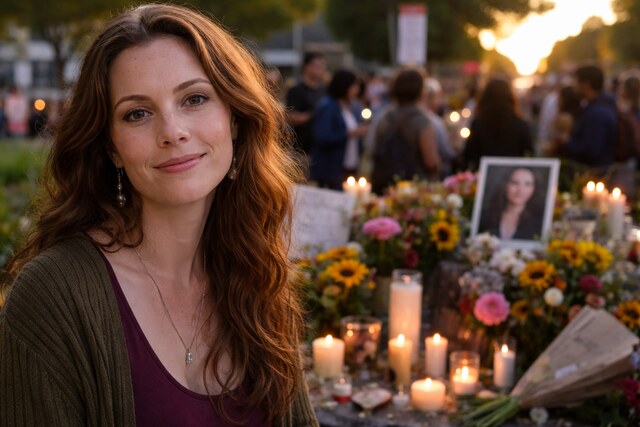
Renee Nicole Macklin Good, a 37-year-old U.S. citizen, mother of three, and poet, was fatally shot by a federal immigration enforcement agent on January 7, 2026, during a disputed operation in Minneapolis, Minnesota. Her death has generated nationwide public attention, triggering protests, political debate, and renewed scrutiny of federal enforcement protocols.
Who Was Renee Nicole Good as a Person and Public Entity?
Renee Good was a mother, writer, and partner who had recently moved to Minneapolis with her family. She held a degree in creative writing and described herself as a poet, storyteller, and community-centered individual. Her creative works explored themes of resilience, motherhood, and identity.
-
Parental Role and Family Identity
Renee was the biological mother of three children aged 6, 12, and 15. Her youngest child’s father died in 2023, placing the emotional and logistical burden of caregiving on Renee and her partner. Family members described her as nurturing, protective, and wholly dedicated to her children’s futures.
-
Artistic Expression and Literary Voice
As a published poet and award-winning writer, she used creative expression to process personal trauma and community struggles. Her poems were shared in local collectives, emphasizing empowerment and human dignity. She participated in spoken-word events and was well-respected in literary circles.
-
Community Integration and Local Presence
After moving to Minneapolis, she quickly integrated into the local community through school involvement, neighborhood meetings, and volunteer activities. Her neighbors recalled her as soft-spoken yet determined, embodying empathy and creative leadership.
-
Online Persona and Public Identity
Renee maintained an active presence on digital platforms where she posted about motherhood, queer partnership, art, and healing. Her online identity offered a narrative of openness, family advocacy, and cultural inclusion.
What Happened During the ICE Encounter That Led to Her Death?
Renee was shot during a federal enforcement operation led by Immigration and Customs Enforcement (ICE). The incident occurred in a residential area of Minneapolis shortly after she dropped off her youngest child at school. She was driving with her partner when ICE agents approached the vehicle.
-
Nature of the Operation
ICE agents were conducting an arrest operation involving a third party reportedly under investigation for immigration violations. Renee was not the target of the operation but became entangled in the encounter due to proximity and perceived noncompliance.
-
Sequence of Events and Use of Force
According to ICE officials, one agent fired into Renee’s vehicle, claiming the action was taken in self-defense after she allegedly attempted to drive toward federal officers. Witnesses and publicly circulated video suggest she was attempting to drive away from the scene, raising questions about the accuracy of the federal account.
-
Agent Identity and Tactical Decisions
The ICE agent involved in the shooting was later identified but not yet charged. Legal observers argue that the use of lethal force violated proportionality standards, especially given that the operation did not involve a violent crime. Tactical protocols around vehicle engagement and escalation have come under scrutiny.
-
Medical Outcome and Emergency Response
Renee was pronounced dead at the scene. Emergency responders attempted resuscitation, but the injuries were fatal. Her partner, seated beside her, survived the incident and later recounted events to legal representatives.
How Has the Public Reacted to Renee Good’s Killing?
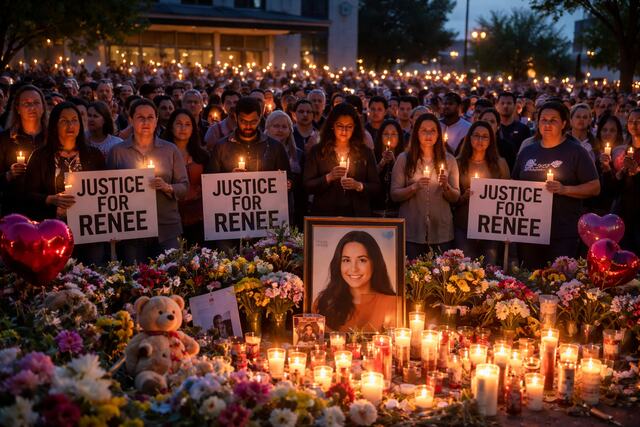
The public reaction has been marked by mass mobilization, political condemnation, and calls for legal accountability. Community members, activists, and elected officials have gathered across multiple cities to demand transparency and justice.
-
Fundraising and Family Support
A grassroots fundraising campaign raised over $1.5 million in less than a week to support Renee’s children and surviving partner. The campaign emphasized themes of restorative justice, honoring maternal legacy, and resisting state violence.
-
Civil Rights Mobilization
National civil liberties organizations issued joint statements condemning the use of lethal force. Protests have emerged in Minneapolis, Chicago, Los Angeles, and New York, framing Renee’s death as a symbol of unchecked federal power and racialized enforcement.
-
Government and Legal Responses
Local officials have launched an independent investigation into the incident. State and municipal leaders criticized federal overreach and expressed concern about the lack of coordination between ICE and local agencies. Federal agencies, however, have maintained the justification for the use of force.
-
Cultural Narratives and Social Discourse
The killing has reignited discussions around the criminalization of Black motherhood, surveillance of women of color, and the entanglement of immigration enforcement with racialized policing. Renee’s story has become a rallying cry for intersectional justice.
Why Has Renee Good’s Death Become a National Symbol?
Renee’s death has transcended the specific incident and now represents a broader societal conflict involving civil rights, immigration authority, and law enforcement ethics. Her case illustrates systemic tensions between personal identity and institutional power.
-
Enforcement Versus Civilian Autonomy
The incident reveals the gray zone where federal enforcement operates with limited public oversight. Civilian deaths in such operations rarely face judicial accountability, creating perceived impunity.
-
Motherhood and Systemic Violence
Renee’s identity as a mother has elevated the emotional intensity of public response. The image of a mother killed in front of her partner while returning from school drop-off has deeply resonated across demographic boundaries.
-
Immigration Policy and Non-Target Fatalities
The fact that Renee was not the subject of the operation yet became the casualty underscores fears that collateral damage is accepted in federal enforcement logic. Advocates argue that such practices violate constitutional protections.
-
Political Polarization and Narrative Warfare
Political leaders have used the incident to reinforce partisan narratives. Some frame her as a victim of overreach, others emphasize alleged noncompliance. The media portrayal has become a battlefield for ideological positioning.
What Is the Path Forward After the Death of Renee Nicole Good?
The national discourse surrounding Renee’s death calls for systemic reform, legal accountability, and community-based alternatives to federal intervention. The following frameworks are now part of ongoing conversations:
-
Independent Oversight Mechanisms
Legal experts and civil rights attorneys are demanding the establishment of third-party oversight bodies to monitor federal operations in civilian zones, especially in urban residential areas.
-
Reevaluation of Use-of-Force Policies
Policymakers are reassessing rules of engagement used by ICE and similar agencies, particularly regarding vehicular incidents, nonviolent civilian encounters, and proportionality thresholds.
-
Narrative Reclamation by the Community
Family members and grassroots organizers are reclaiming Renee’s story to reflect her humanity, creativity, and maternal dedication, rather than allowing it to be reduced to a law enforcement event.
-
National Legal Precedent and Federal Reform
Civil litigation is expected to proceed, which may set precedent regarding the limits of federal authority in state jurisdictions. Lawmakers are considering bills that would require deeper transparency and coordination between agencies.
