

What Did Trump Announce About Iran’s Protest Crackdown?
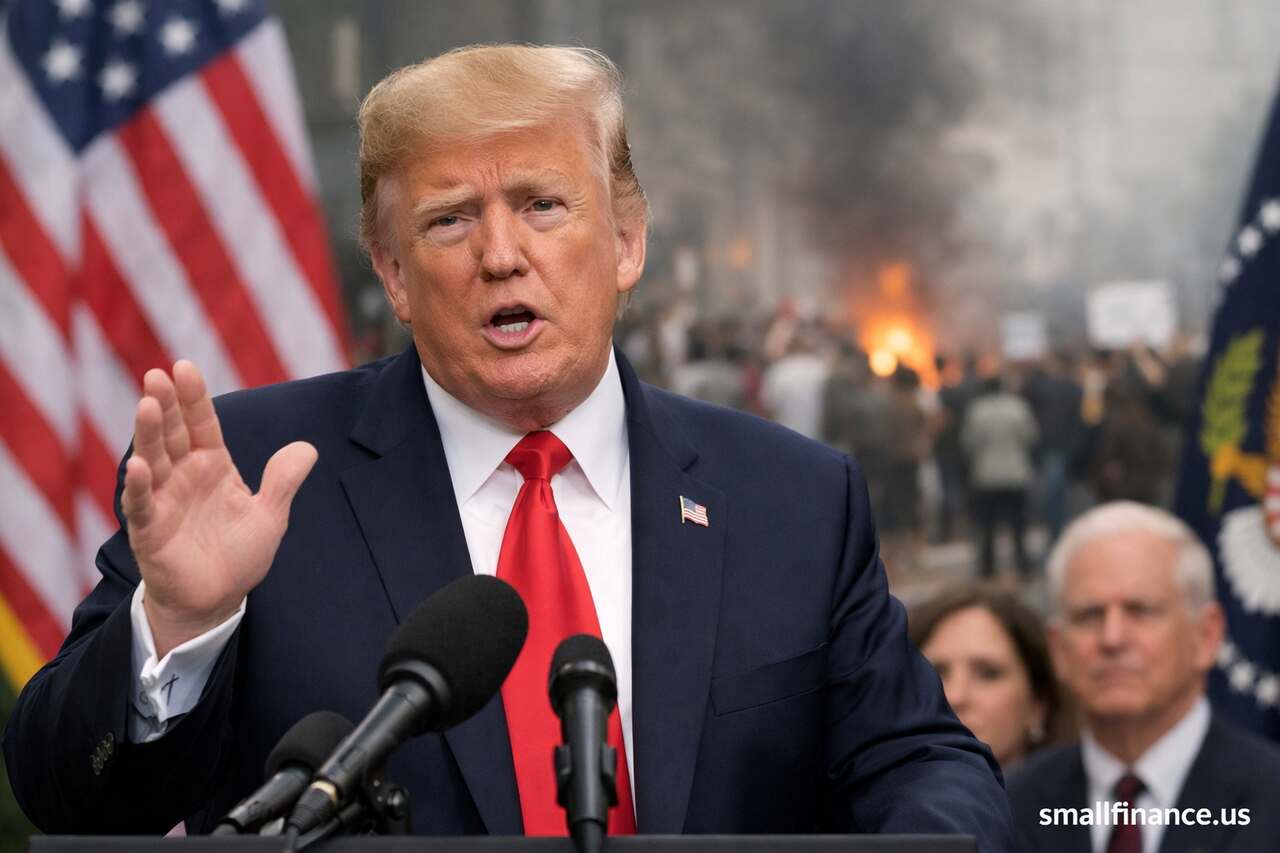
President Donald Trump stated that credible sources informed him the Iranian government had stopped executing and killing protesters. These remarks were made following increasing international pressure and after Trump had previously hinted at a potential U.S. response to ongoing human rights violations. The claim was positioned as a sign of de-escalation, though Trump emphasized the information remained unverified through independent intelligence.
What Is the Context Behind Iran’s Civil Unrest?
Widespread protests erupted in Iran in late December 2025 following economic instability, political repression, and dissatisfaction with governance structures. Demonstrations quickly evolved into a national movement calling for systemic reform. Protesters, primarily from urban and student populations, have faced violent repression. Human rights organizations reported mass arrests and a death toll potentially reaching thousands, as security forces responded with live ammunition, detentions, and surveillance.
Has the Iranian Government Responded to Allegations of Executions?
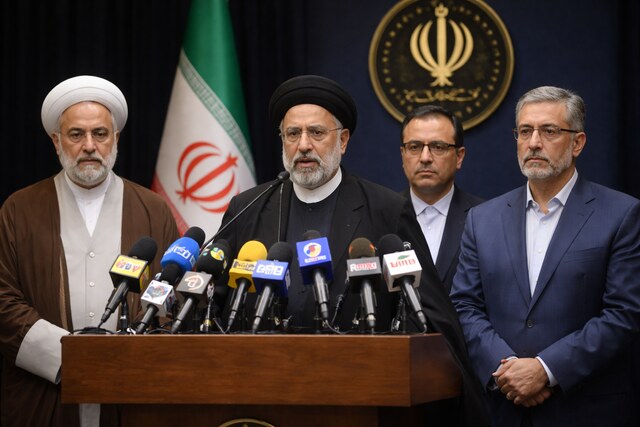
Iranian government officials denied claims of immediate mass executions, stating that no such punishments were scheduled. Authorities emphasized the government’s intent to stabilize the situation through legal proceedings. However, judiciary statements and leaked communications suggested expedited trials were under preparation for key protest organizers. While Tehran publicly refuted execution reports, human rights observers warned that legal processes lacked transparency, due process, and independent oversight.
What Are the Conflicting Signals About Iran’s Internal Situation?
Despite the Iranian government’s assertion that executions have ceased, conflicting evidence emerged. Several families of detained protesters reported sudden disappearances and restricted legal access. International media outlets highlighted credible concerns over secret trials and undisclosed fatalities. While Trump’s announcement aligns with the official Iranian narrative, multiple NGOs documented ongoing crackdowns, particularly in provinces with high protest activity such as Khuzestan, Kurdistan, and Sistan-Baluchestan.
How Have Global Actors Reacted to Iran’s Protest Crackdown?
The G7 nations issued a joint statement warning Iran of further economic sanctions if violent repression continued. European Union officials echoed demands for an immediate halt to human rights violations. Meanwhile, international human rights organizations, including Amnesty International and Human Rights Watch, intensified pressure on the United Nations to launch an inquiry into Iran’s response to civilian dissent. Regional powers, including Turkey and Qatar, called for de-escalation and emphasized mediation over confrontation.
What Are the Geopolitical Risks Surrounding the Situation in Iran?
U.S.–Iran tensions remained elevated as American defense officials assessed military options. Although Trump appeared to soften his rhetoric after receiving reports of reduced violence, Pentagon sources indicated that contingency plans were still in place. Iran’s temporary closure and subsequent reopening of its airspace reflected heightened alertness. Diplomatic envoys from neutral states attempted to broker backchannel negotiations to prevent further escalation between Iran and Western powers.
What Is the Current Status of the Protests and Repression?
While reports of executions have reportedly diminished, protests have not ceased. Demonstrations continue across urban and rural centers, driven by socio-political grievances and calls for reform. Protesters persist despite increased surveillance, curfews, and arrests. Communication blackouts in key regions have made independent verification of casualties and arrests increasingly difficult. Civil society groups warned that temporary reductions in visible violence might mask more systemic and covert repression.
Conclusion: Has the Killing Truly Stopped in Iran?
President Trump’s statement signals a potential pause in the state-led violence against Iranian protesters, but independent confirmations remain scarce. The Iranian government’s messaging suggests an attempt to de-escalate international criticism while maintaining internal control. Civil rights violations, legal ambiguity, and ongoing unrest indicate that the situation remains unresolved. International scrutiny continues as geopolitical and humanitarian concerns intersect.
