

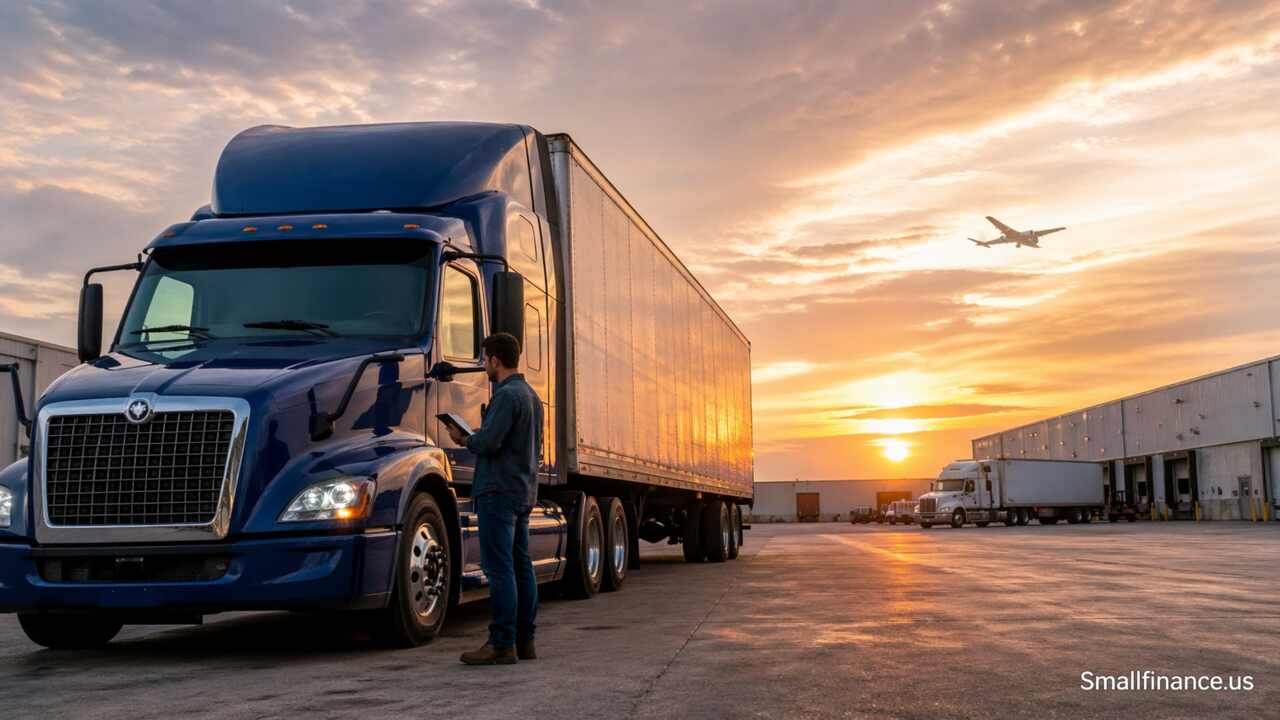
Starting a trucking business involves more than buying a truck and hitting the road. It requires regulatory compliance, financial planning, logistics management, and market positioning. The trucking industry powers global supply chains, connecting manufacturers, distributors, and consumers across regions. Whether you want to operate as an owner-operator or build a fleet, understanding each step ensures long-term profitability and compliance with transportation laws.
This guide walks through every critical step to help you establish, operate, and grow a trucking business successfully.
Choose a Profitable Trucking Business Model
Selecting the right business model determines your operational structure and revenue potential. You can start as an independent owner-operator, lease onto a carrier, or build your own authority-based trucking company.
Each model has unique cost structures and responsibilities. Owner-operators handle their own loads and clients, while leased drivers work under an established company’s authority. Fleet ownership involves hiring drivers and managing multiple vehicles.
Different freight types also influence profitability. Options include dry van, refrigerated freight, flatbed hauling, and specialized transport. For example, refrigerated trucking often yields higher rates but requires costly equipment and maintenance.
Register Your Trucking Business Legally
Formal registration ensures your business operates within legal boundaries and builds credibility with clients and brokers. You must choose a business structure such as a sole proprietorship, LLC, or corporation.
Register your company name with your local authority and obtain an Employer Identification Number (EIN) from the Internal Revenue Service or your country’s tax body. In Pakistan, registration may involve the Federal Board of Revenue.
Licensing requirements vary by region but generally include obtaining a USDOT number through the Federal Motor Carrier Safety Administration if operating in the United States. This number tracks safety compliance and operational data.
Obtain Trucking Authority and Permits
Operating legally requires proper authority and permits based on your service type. Motor Carrier (MC) authority allows you to transport goods for hire across state or national lines.
You will also need permits such as International Registration Plan (IRP) and International Fuel Tax Agreement (IFTA) for interstate operations. These systems simplify tax reporting across jurisdictions.
Certain freight types require additional permits. Hazardous materials transportation demands strict compliance with safety regulations and certification processes. Oversized loads require special route approvals and escort arrangements.
Secure Commercial Truck Insurance Coverage
Insurance protects your business against financial risks from accidents, cargo damage, and liability claims. Without proper coverage, you cannot legally operate in most regions.
Key insurance types include primary liability, cargo insurance, physical damage coverage, and bobtail insurance. Liability insurance is mandatory and covers damages caused to others during operations.
Premium costs depend on driving history, cargo type, and vehicle value. New businesses often face higher premiums due to lack of operating history. Working with specialized trucking insurance providers ensures appropriate coverage levels.
Purchase or Lease Trucks and Equipment
Your truck is the core asset of your business. Choosing between purchasing and leasing depends on your budget, credit profile, and long-term goals.
Buying a truck offers ownership and long-term cost savings but requires significant upfront capital. Leasing reduces initial costs but involves ongoing payments and contractual obligations.
Equipment selection depends on your freight type. Dry vans are versatile, while flatbeds handle oversized loads. Refrigerated trailers are essential for perishable goods.
Truck Cost Comparison Table
| Truck Type | Average Cost (USD) | Best Use Case | Maintenance Level |
| New Semi-Truck | 120,000–180,000 | Long-term fleet investment | Moderate |
| Used Semi-Truck | 40,000–100,000 | Budget startup option | High |
| Leased Truck | 1,500–3,000/month | Low upfront capital | Low–Moderate |
| Refrigerated Trailer | 30,000–80,000 | Perishable goods transport | High |
Calculate Startup Costs and Secure Financing
Understanding startup costs helps you avoid cash flow issues during early operations. Expenses include truck purchase, insurance, permits, fuel, maintenance, and administrative costs.
Many entrepreneurs finance their trucking business through bank loans, equipment financing, or private investors. Financial institutions evaluate credit score, business plan, and projected revenue before approving loans.
Leasing companies often provide flexible financing options for new operators. However, interest rates and contract terms should be carefully reviewed to avoid long-term financial strain.
Open a Business Bank Account and Manage Finances

Separating personal and business finances improves financial tracking and legal protection. Open a dedicated business bank account and use accounting software to manage income and expenses.
Track fuel costs, maintenance, tolls, and driver wages. Accurate financial records help with tax filing and profitability analysis.
Cash flow management is critical in trucking due to delayed payments from brokers and clients. Factoring companies can provide immediate cash by purchasing your invoices at a discount.
Hire Qualified Drivers and Build a Team
If you plan to expand beyond a single truck, hiring skilled drivers becomes essential. Drivers must hold a Commercial Driver’s License (CDL) and meet safety standards.
Conduct background checks, driving history reviews, and drug testing to ensure compliance. Offering competitive pay and benefits helps attract reliable drivers.
Support staff such as dispatchers, mechanics, and administrative personnel improve operational efficiency. As your business grows, building a strong team becomes a key competitive advantage.
Set Up Dispatching and Load Management Systems
Efficient dispatching ensures trucks are utilized effectively and revenue is maximized. You can manage dispatching yourself or hire professional dispatch services.
Load boards such as DAT Freight & Analytics and Truckstop connect carriers with available freight. These platforms help new businesses find consistent loads.
Transportation Management Systems (TMS) streamline operations by tracking shipments, optimizing routes, and managing documentation. Technology adoption improves efficiency and reduces operational errors.
Build Relationships with Shippers and Brokers
Strong relationships drive consistent business and better rates. Brokers act as intermediaries between shippers and carriers, while direct contracts with shippers offer higher profit margins.
Networking within the industry helps you secure long-term contracts. Attending logistics events and joining trucking associations expands your connections.
Providing reliable service, timely deliveries, and clear communication builds trust and repeat business. Reputation plays a significant role in securing premium freight opportunities.
Develop a Pricing and Profit Strategy
Setting the right pricing strategy ensures profitability while remaining competitive. Rates depend on distance, fuel costs, cargo type, and market demand.
Calculate your cost per mile, including fuel, maintenance, insurance, and wages. Add a profit margin to determine your minimum acceptable rate.
Cost Per Mile Breakdown Table
| Expense Category | Cost per Mile (USD) | Description |
| Fuel | 0.50–0.80 | Depends on fuel prices |
| Maintenance | 0.10–0.20 | Repairs and servicing |
| Insurance | 0.15–0.25 | Coverage costs |
| Driver Wages | 0.40–0.70 | Salary or per-mile payment |
| Total | 1.15–1.95 | Base operating cost |
Understanding these numbers helps you negotiate better rates and avoid unprofitable loads.
Ensure Compliance with Safety Regulations
Compliance with safety standards protects your business and reduces liability risks. Regulatory bodies like the Federal Motor Carrier Safety Administration enforce rules related to driver hours, vehicle maintenance, and recordkeeping.
Drivers must follow Hours of Service (HOS) regulations to prevent fatigue-related accidents. Electronic Logging Devices (ELDs) track driving time and ensure compliance.
Regular vehicle inspections and maintenance checks prevent breakdowns and improve safety ratings. A strong safety record enhances your reputation and lowers insurance costs.
Market Your Trucking Business Effectively
Marketing helps you attract clients and establish your brand in a competitive industry. A professional website showcasing your services builds credibility.
Digital marketing strategies such as search engine optimization, social media presence, and online directories increase visibility. Listing your business on logistics platforms improves discoverability.
Offline strategies like networking, referrals, and partnerships also play a significant role. Consistent branding and reliable service strengthen your market position.
Scale Operations and Expand Your Fleet
Growth requires strategic planning and reinvestment of profits. Expanding your fleet increases revenue potential but also adds complexity.
Invest in additional trucks, hire more drivers, and optimize routes to maximize efficiency. Scaling gradually reduces financial risk and ensures operational stability.
Diversifying services, such as adding specialized freight or regional routes, increases revenue streams. Data analysis helps identify profitable opportunities and improve decision-making.
Conclusion
Starting a trucking business involves careful planning, regulatory compliance, and financial management. From choosing the right business model to scaling operations, each step plays a crucial role in building a sustainable and profitable enterprise.
Success in the trucking industry depends on efficiency, reliability, and strong relationships. By following a structured approach and leveraging technology, you can establish a competitive presence and grow your business steadily over time.
FAQ’s
How much money do I need to start a trucking business?
Startup costs typically range from $50,000 to $200,000 depending on whether you purchase or lease equipment and the scale of operations.
Do I need a CDL to start a trucking business?
You do not need a CDL to own a trucking business, but you must hire licensed drivers or obtain a CDL if you plan to drive yourself.
How long does it take to start a trucking company?
The process can take 2 to 8 weeks depending on registration, permits, and financing approvals.
Is the trucking business profitable?
Yes, profitability depends on cost management, consistent loads, and efficient operations. Owner-operators can earn significant income with proper planning.
Can I start a trucking business with one truck?
Yes, many successful companies begin with a single truck and expand gradually as revenue grows.
What is the best type of trucking business to start?
Dry van trucking is often the easiest entry point due to lower equipment costs and high demand, while specialized freight offers higher earnings potential.
