


Introduction
Learning personal finance is one of the most practical and life-changing skills you can develop. It directly influences how you earn, spend, save, and invest money, shaping both your present lifestyle and your long-term financial stability. Whether you are a student, a working professional, or planning your future, understanding money management helps you avoid costly mistakes and build a secure life. By applying financial principles today, you create a strong foundation that supports independence, reduces stress, and opens opportunities for growth.
Build Strong Money Management Habits
Developing good financial habits starts with understanding how money flows in and out of your life. When you track your income and expenses, you gain control over your financial decisions instead of reacting impulsively.
You need to identify your income sources, categorize expenses, and create a structured plan for spending. This includes fixed costs like rent and variable expenses like food or entertainment. Consistency in tracking builds awareness and discipline.
Over time, these habits influence your lifestyle choices and prevent financial instability. People who manage money early tend to make smarter decisions later, avoiding debt traps and unnecessary financial stress.
Create and Maintain a Practical Budget
A budget acts as a roadmap for your finances, guiding your spending and saving decisions. It ensures that your money is allocated effectively toward needs, goals, and future plans.
To create a budget, you must calculate your total income, subtract essential expenses, and assign limits to discretionary spending. Tools like spreadsheets or budgeting apps can simplify this process and improve accuracy.
Maintaining a budget allows flexibility while keeping financial goals in focus. It helps you adjust to unexpected expenses without disrupting your overall financial stability, making it a crucial skill for both present and future success.
Build an Emergency Fund for Financial Security
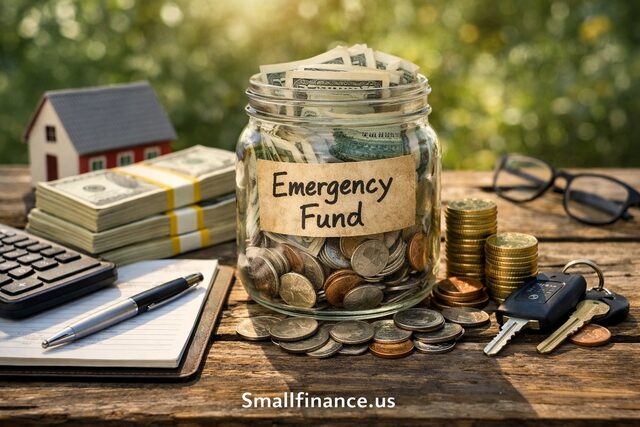
An emergency fund protects you from unexpected financial shocks such as medical expenses, job loss, or urgent repairs. It provides a safety net that prevents reliance on debt during difficult times.
To establish this fund, you should set aside a portion of your income regularly until you accumulate three to six months of living expenses. Keeping this money in a separate, easily accessible account ensures it is available when needed.
Having an emergency fund reduces anxiety and increases confidence in handling uncertainties. It allows you to make decisions calmly rather than out of financial pressure, improving your overall quality of life.
Understand and Manage Debt Effectively
Debt can either support your goals or hinder your progress depending on how it is managed. Learning personal finance helps you distinguish between productive debt and harmful debt.
You should understand interest rates, repayment terms, and the total cost of borrowing. Prioritizing high-interest debt and making consistent payments reduces financial burden over time.
Effective debt management improves your financial health and creditworthiness. It enables you to access better financial opportunities in the future, such as lower interest loans or favorable credit terms.
Improve Saving Strategies for Short and Long-Term Goals
Saving money is essential for achieving both immediate and future objectives. It allows you to prepare for planned expenses and build wealth gradually.
You need to set clear goals, such as buying a device, funding education, or planning retirement. Dividing savings into short-term and long-term categories ensures balanced financial growth.
Consistent saving builds discipline and creates financial independence. Over time, even small contributions grow significantly, reinforcing the importance of starting early.
Learn the Basics of Investing for Wealth Growth
Investing allows your money to grow beyond simple savings by generating returns over time. It is a key factor in building long-term wealth and financial independence.
You should understand different investment options such as stocks, bonds, mutual funds, and real estate. Each option carries varying levels of risk and return, requiring careful evaluation.
Early investment provides the advantage of compounding, where earnings generate additional earnings. This accelerates wealth accumulation and helps achieve financial goals more efficiently.
Enhance Financial Decision-Making Skills
Learning personal finance improves your ability to make informed decisions about money. It helps you evaluate choices based on long-term impact rather than short-term satisfaction.
You must analyze costs, benefits, and potential risks before making financial commitments. This includes decisions related to purchases, loans, or investments.
Strong decision-making skills lead to better financial outcomes and fewer regrets. They allow you to align your spending with your priorities and future goals.
Develop Financial Independence and Confidence
Financial independence means having enough resources to support yourself without relying on others. Personal finance knowledge empowers you to achieve this independence.
You need to build income streams, manage expenses, and invest wisely to create sustainable financial growth. Confidence grows as you gain control over your financial situation.
This independence provides freedom in career choices, lifestyle decisions, and long-term planning. It reduces dependency and enhances overall life satisfaction.
Reduce Financial Stress and Anxiety
Money-related stress is common, especially when finances are unmanaged. Learning personal finance helps you stay organized and prepared for financial challenges.
You should maintain clear records, follow a budget, and plan for future expenses. This structured approach reduces uncertainty and improves mental well-being.
Lower financial stress leads to better focus, improved relationships, and a healthier lifestyle. It allows you to concentrate on personal and professional growth without constant financial worry.
Plan for Major Life Goals
Personal finance plays a crucial role in achieving major milestones such as education, home ownership, or retirement. Proper planning ensures these goals are attainable.
You need to estimate costs, set timelines, and allocate resources accordingly. Breaking large goals into smaller steps makes them more manageable and achievable.
Effective planning aligns your financial actions with your life aspirations. It ensures steady progress and reduces the likelihood of financial setbacks.
Compare Saving vs Investing Strategies
| Aspect | Saving | Investing |
| Risk Level | Low | Moderate to High |
| Returns | Stable but lower | Higher potential returns |
| Liquidity | High | Varies by asset |
| Time Horizon | Short-term | Long-term |
| Purpose | Emergency and immediate needs | Wealth growth and future goals |
Both saving and investing are essential components of personal finance. Balancing them ensures financial security while enabling wealth accumulation.
Track Financial Progress and Adjust Strategies
Monitoring your financial progress helps you stay aligned with your goals. It allows you to identify areas of improvement and make necessary adjustments.
You should review your income, expenses, savings, and investments regularly. This helps detect patterns and correct mistakes early.
Adjusting strategies based on changing circumstances ensures continued growth. It keeps your financial plan relevant and effective over time.
Understand Income Growth and Career Impact
Personal finance knowledge influences how you approach earning opportunities. It helps you maximize income and make strategic career decisions.
You need to evaluate job offers, negotiate salaries, and explore additional income streams. Understanding taxes and benefits also plays a key role.
Higher income combined with smart financial management accelerates wealth building. It creates more opportunities for investment and financial security.
Build Smart Spending Behavior
Spending wisely ensures that your money supports your priorities rather than undermines them. It helps you avoid unnecessary expenses and focus on value.
You should differentiate between needs and wants, and evaluate purchases carefully. Practicing mindful spending prevents impulse buying.
Smart spending leads to better financial control and increased savings. It supports long-term goals while maintaining a balanced lifestyle.
Summary of Key Personal Finance Benefits
| Area | Immediate Benefits | Future Benefits |
| Budgeting | Better control over spending | Long-term financial stability |
| Saving | Emergency preparedness | Goal achievement |
| Investing | Early growth opportunities | Wealth accumulation |
| Debt Management | Reduced financial pressure | Strong credit profile |
| Financial Planning | Organized finances | Secure and independent future |
Conclusion
Learning personal finance is not just about managing money; it is about shaping your life with intention and control. The habits and skills you develop today influence your financial future in powerful ways. From budgeting and saving to investing and planning, each step contributes to a more secure and independent life. By applying these principles consistently, you reduce stress, increase opportunities, and build a strong foundation for long-term success. The earlier you start, the greater the impact on both your present and your future.
FAQ’s
How can personal finance help me right now?
It helps you manage your income, control spending, avoid debt, and start saving immediately, improving your financial stability.
Does learning personal finance really affect the future?
Yes, it builds habits that lead to wealth accumulation, financial independence, and better decision-making over time.
What is the first step in learning personal finance?
Start by tracking your income and expenses, then create a simple budget to manage your money effectively.
How much should I save each month?
A common guideline is to save at least 20 percent of your income, but the exact amount depends on your goals and financial situation.
Is investing necessary for financial success?
Investing is important for long-term growth, as it allows your money to generate returns and build wealth over time.
Can personal finance reduce stress?
Yes, having a clear financial plan and emergency savings reduces uncertainty and provides peace of mind.
