

Why Did Iran’s Supreme Leader Accuse the United States of Orchestrating the Protests?
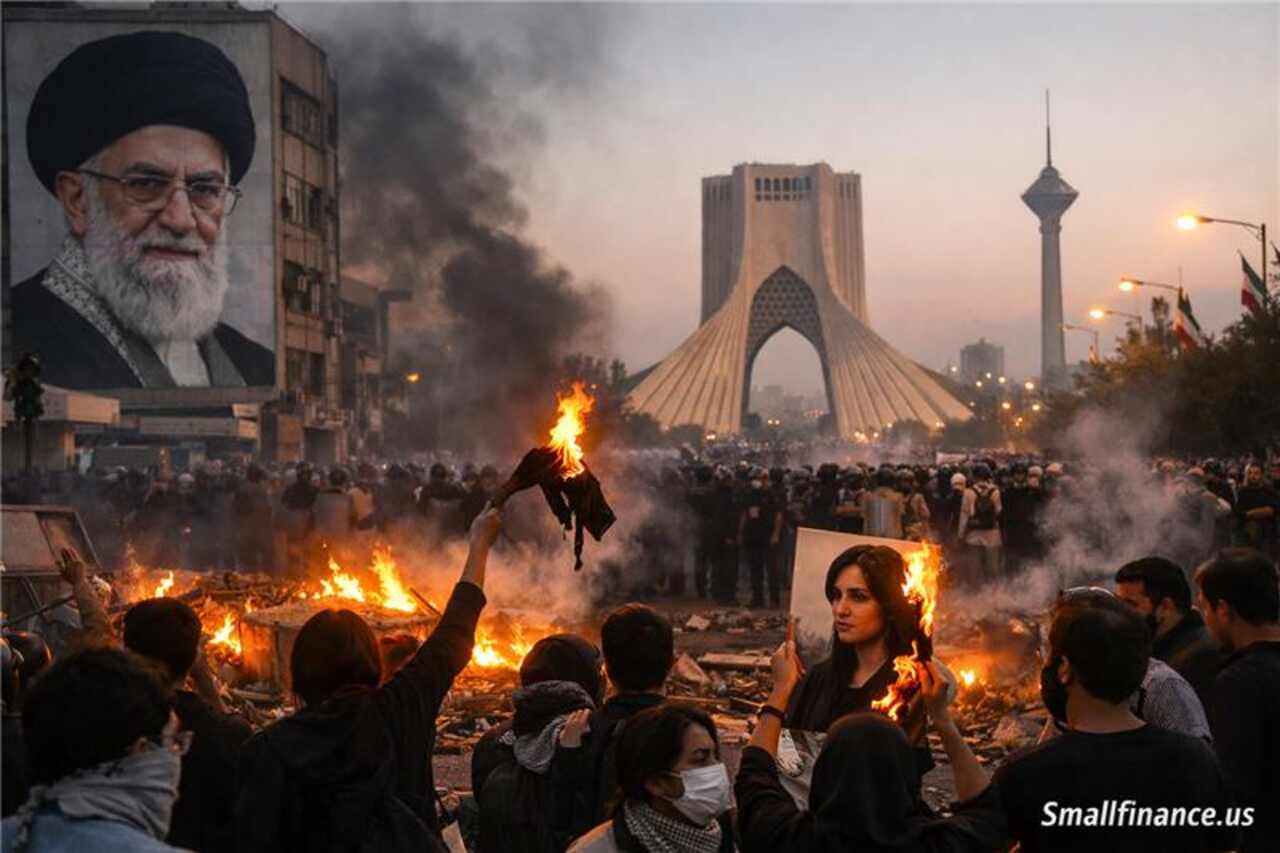
Iran’s Supreme Leader Ayatollah Ali Khamenei accused the United States government, specifically former President Donald Trump, of orchestrating the widespread protests that erupted across Iran in late December 2025. Khamenei labeled the events as part of a coordinated foreign-led conspiracy designed to destabilize the Islamic Republic. He identified Trump as a “criminal” responsible for the violence and casualties, stating that foreign interference—especially from the U.S. and Israel—had infiltrated Iran’s internal affairs.
The Iranian leadership positioned the unrest as an external threat, rather than a response to internal dissatisfaction. Khamenei stated that the intention behind American involvement was to exploit economic vulnerabilities, incite anti-regime sentiment, and fracture national unity. The claim aligns with the state’s recurring narrative of Western-led sedition targeting Iran’s sovereignty and clerical authority.
What Sparked the Protests and How Have They Evolved?
The protests began on December 28, 2025, triggered by soaring inflation, deepening unemployment, and the ongoing devaluation of the Iranian rial. Economic despair rapidly escalated into political dissent, with demonstrators calling for an end to the theocratic system and demanding structural reforms. Public anger was also fueled by widespread corruption, authoritarian suppression, and deteriorating living standards.
Nationwide protests spread across major cities including Tehran, Isfahan, and Mashhad, involving both students and labor unions. Demonstrations soon evolved into civil resistance campaigns, calling for the resignation of senior clerics and the dissolution of the Islamic Revolutionary Guard Corps (IRGC). In response, state forces launched a heavy-handed crackdown using lethal force, internet blackouts, and mass detentions.
Independent rights organizations estimated the death toll surpassed 3,000, with over 20,000 detained across multiple provinces. The government’s effort to suppress information further obscured the scope of state violence and human rights abuses.
How Has the Iranian Government Framed the Unrest as Foreign Manipulation?
Iran’s top leadership systematically framed the unrest as an extension of foreign intelligence operations designed to foment chaos and regime change. Khamenei emphasized that “international criminals” and “Zionist collaborators” were steering unrest through digital propaganda, infiltrators, and material support to agitators.
The Ministry of Intelligence and IRGC claimed to have arrested armed operatives linked to foreign networks disguised as demonstrators. Officials alleged that encrypted communication platforms and foreign-based satellite media outlets had coordinated the unrest from abroad. Public statements portrayed protestors not as concerned citizens, but as proxies serving Western agendas.
The government also suggested that false narratives regarding executions and torture were disseminated internationally to tarnish Iran’s global image. Clerical authorities described the movement as part of a hybrid war, mixing psychological operations, sanctions pressure, and cultural subversion.
What Was the Role of Former US President Donald Trump in the Crisis?
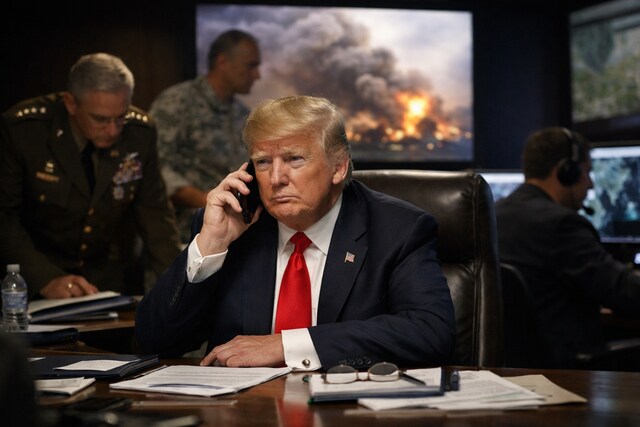
Donald Trump publicly voiced support for Iranian protestors, warning Tehran against brutal reprisals and executions. His administration used social media channels and international press conferences to amplify demonstrator voices and criticize the regime’s repressive tactics. Trump also hinted at potential U.S. responses should human rights violations escalate.
Ayatollah Khamenei cited these declarations as direct provocations that emboldened civil unrest. He blamed Trump’s “incitement” for the increase in casualties, asserting that political rhetoric from Washington encouraged domestic instability. Trump was portrayed not only as a foreign leader but as a geopolitical actor complicit in engineering internal rebellion.
Tehran interpreted the former president’s involvement as an act of war by soft power, fusing economic sanctions, psychological warfare, and civil disobedience in a coordinated destabilization strategy.
What Are the Implications for US-Iran Relations and Regional Stability?
The Supreme Leader’s statement may intensify already strained US–Iran diplomatic relations, particularly as both sides continue to clash over nuclear agreements, regional security, and sanctions enforcement. Khamenei’s framing of the protests as an American plot strengthens hardline resistance to Western engagement and emboldens ultra-conservative factions within Iran’s parliament and judiciary.
Regionally, the protests and state violence could trigger further instability across the Middle East. Iran’s internal unrest affects neighboring states via refugee movements, trade disruption, and transnational ideological polarization. Regional proxies and militia groups aligned with Tehran may also escalate rhetoric or operations in solidarity with the Iranian government.
The foreign interference narrative also risks shifting domestic attention away from economic reforms and civil liberties. By externalizing the causes of unrest, the regime may delay necessary political transformation, resulting in deeper societal fractures and future protest cycles.
