

Introduction
Choosing between white gold and yellow gold is one of the most important decisions when buying fine jewelry, especially for engagement rings, wedding bands, and everyday accessories. Both metals offer unique visual appeal, durability, and value, but they differ significantly in composition, maintenance, and long-term wear. Understanding how these two types of gold compare helps you make a confident and informed purchase that aligns with your style, budget, and lifestyle. This guide breaks down every essential aspect of white gold vs yellow gold so you can decide which option suits you best.
Understand the Composition of White Gold and Yellow Gold
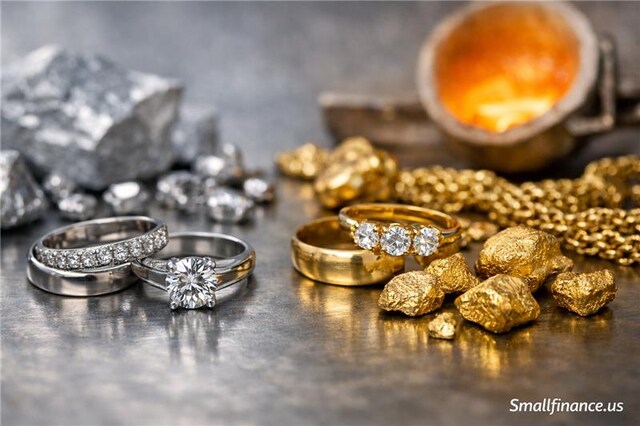
White gold and yellow gold differ primarily in how they are alloyed with other metals to achieve their color and strength. Pure gold, known as 24K gold, is naturally yellow and very soft, making it unsuitable for most jewelry without mixing it with stronger metals.
Yellow gold is created by combining pure gold with metals like copper and zinc. These alloys maintain the warm, rich tone associated with traditional gold while improving durability. Common purity levels include 18K (75% gold) and 14K (58.3% gold), with higher karat levels offering deeper color but slightly less strength.
White gold, on the other hand, is made by mixing pure gold with white metals such as palladium, nickel, or silver. This combination gives the metal a silvery appearance. Most white gold jewelry is coated with rhodium, a reflective and durable metal that enhances brightness and provides additional protection.
The composition directly impacts color, hardness, and maintenance. Yellow gold maintains its natural tone over time, while white gold may require periodic rhodium replating to retain its bright finish.
Compare Appearance and Aesthetic Appeal
The visual difference between white gold and yellow gold is one of the most noticeable factors when choosing jewelry. Each offers a distinct style that complements different preferences and fashion trends.
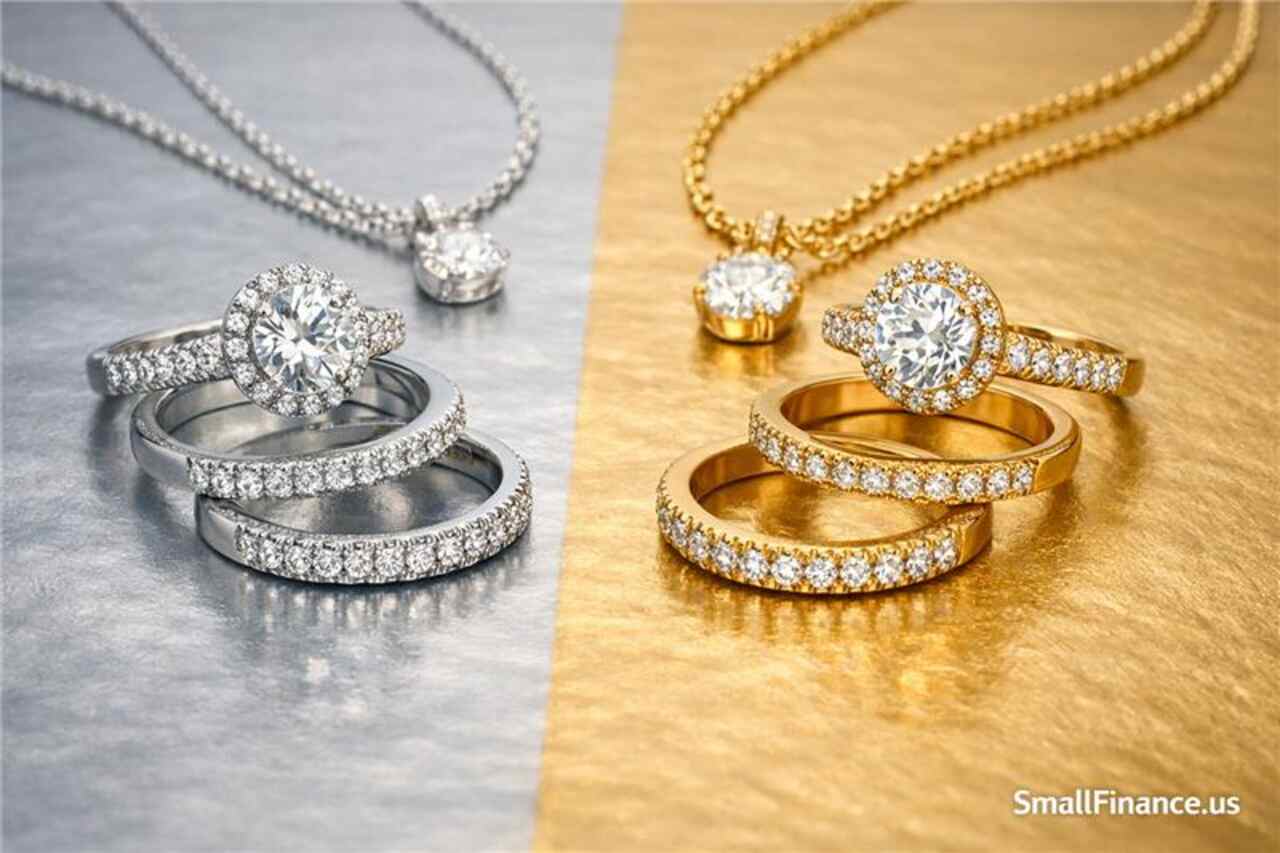
Yellow gold has a classic and timeless appearance. Its warm hue pairs beautifully with traditional and vintage jewelry designs. It enhances gemstones like rubies, emeralds, and diamonds with a warm undertone, making it a popular choice for heirloom pieces.
White gold delivers a modern and sleek look. Its silvery finish closely resembles platinum and pairs exceptionally well with diamonds, enhancing their brilliance and sparkle. This makes white gold a preferred choice for contemporary engagement rings and minimalist jewelry styles.
Your skin tone can also influence the aesthetic outcome. Yellow gold often complements warmer skin tones, while white gold tends to suit cooler undertones. However, personal style remains the most important factor when deciding between the two.
Evaluate Durability and Strength for Daily Wear
Durability plays a key role in determining how well jewelry holds up over time, especially for pieces worn daily like rings and bracelets.
Yellow gold is softer compared to white gold due to its alloy composition. Higher karat yellow gold, such as 18K, is more prone to scratches and dents. However, it does not suffer from plating wear, so its color remains consistent even with frequent use.
White gold is generally stronger and more scratch-resistant because of the metals used in its alloy. The rhodium plating adds an extra layer of hardness, making it more resistant to surface damage. This makes white gold a practical choice for active lifestyles.
Over time, the rhodium plating on white gold can wear off, revealing a slightly warmer tone underneath. This does not damage the jewelry but does require maintenance to restore its original shine.
Assess Maintenance and Long-Term Care Requirements
Maintenance is one of the biggest differences between white gold and yellow gold, and it directly affects long-term ownership costs.
Yellow gold is relatively low maintenance. It does not require plating and can be easily cleaned with mild soap and water. Scratches can be polished out by a jeweler, restoring its original shine without altering the metal’s composition.
White gold requires more upkeep due to its rhodium plating. Over time, this plating wears down, especially on frequently worn items like rings. Replating is typically needed every 1 to 3 years depending on wear habits. This process restores the bright white finish but adds to maintenance costs.
If you prefer jewelry that requires minimal upkeep, yellow gold may be the better choice. If you value a bright, modern appearance and do not mind periodic maintenance, white gold remains a strong option.
Analyze Cost Differences and Value
Price is another important factor when comparing white gold vs yellow gold, though the difference is often smaller than expected.
Both white gold and yellow gold have similar base prices because they contain the same amount of pure gold at equivalent karat levels. However, white gold may cost slightly more due to the additional metals used in the alloy and the rhodium plating process.
Below is a comparison of typical cost factors:
| Factor | Yellow Gold | White Gold |
| Base Gold Value | Same (based on karat) | Same (based on karat) |
| Alloy Metals | Copper, zinc | Palladium, nickel, silver |
| Additional Coating | None | Rhodium plating |
| Maintenance Costs | Low | Moderate (replating needed) |
| Overall Price Range | Slightly lower | Slightly higher |
While the initial purchase price may not differ significantly, long-term maintenance can make white gold more expensive over time.
Match Gold Type with Lifestyle and Usage
Choosing between white gold and yellow gold should also consider how and when the jewelry will be worn.
For individuals with active lifestyles or jobs that involve frequent hand use, white gold offers better resistance to scratches and wear. Its strength makes it suitable for engagement rings and daily-use jewelry.
Yellow gold is ideal for those who prefer a softer, classic look and do not subject their jewelry to heavy wear. It is also easier to repair and resize due to its malleability.
If you plan to wear your jewelry occasionally rather than daily, either option can work well, and the decision can focus more on style preference.
Consider Skin Sensitivity and Allergies
Skin sensitivity is an often overlooked factor when selecting gold jewelry, but it can significantly impact comfort.
Yellow gold is generally hypoallergenic, especially in higher karat forms like 18K or 22K. It contains fewer reactive metals, making it suitable for sensitive skin.
White gold may contain nickel, which can cause allergic reactions in some individuals. However, many jewelers now offer nickel-free white gold alloys using palladium, which are safer for sensitive skin.
The rhodium plating on white gold initially prevents skin contact with underlying metals, but as the plating wears off, exposure can occur. If you have known metal allergies, it is important to confirm the alloy composition before purchasing.
Compare Popular Uses in Jewelry Design
Both white gold and yellow gold are widely used in various types of jewelry, but each has its strengths depending on design and purpose.
White gold is commonly used in:
- Engagement rings
- Wedding bands
- Diamond earrings
- Modern and minimalist designs
Its neutral tone enhances the brilliance of diamonds and complements contemporary aesthetics.
Yellow gold is often chosen for:
- Vintage and antique-style jewelry
- Traditional wedding bands
- Statement necklaces and bracelets
- Colored gemstone settings
Its warm tone adds richness and depth to designs, making it ideal for bold and classic pieces.
Examine Trends and Fashion Preferences
Jewelry trends shift over time, and both white gold and yellow gold have experienced periods of popularity.
White gold gained widespread popularity in the early 2000s due to its modern appearance and similarity to platinum. It remains a strong choice for engagement rings and contemporary designs.
Yellow gold has made a significant comeback in recent years, driven by a renewed interest in vintage styles and warm-toned jewelry. Many designers now incorporate yellow gold into modern collections, blending classic and contemporary elements.
Here is a quick trend comparison:
| Trend Aspect | White Gold | Yellow Gold |
| Style Era | Modern | Classic & Vintage |
| Popularity Cycle | Stable | Rising |
| Celebrity Influence | High | Increasing |
| Design Versatility | Sleek, minimalist | Bold, traditional |
Your choice should balance current trends with your personal style to ensure long-term satisfaction.
Decide Based on Personal Style and Preferences
Ultimately, the choice between white gold and yellow gold comes down to personal preference. Both options offer beauty, durability, and value, but they cater to different tastes.
If you prefer a clean, contemporary look with strong diamond contrast, white gold is likely the better fit. If you are drawn to timeless elegance and warm tones, yellow gold may be the ideal choice.
You can also mix both metals in your jewelry collection. Many modern designs combine white and yellow gold for a unique, two-tone appearance that offers versatility and visual interest.
Conclusion
White gold and yellow gold each offer distinct advantages that make them suitable for different styles, lifestyles, and preferences. White gold stands out for its modern appearance, durability, and compatibility with diamonds, while yellow gold delivers timeless beauty, lower maintenance, and a rich, classic tone. Understanding their differences in composition, care requirements, cost, and design applications allows you to make a well-informed decision. Whether you prioritize aesthetics, practicality, or long-term value, both options provide lasting elegance when chosen thoughtfully.
FAQ’s
Is white gold more expensive than yellow gold?
White gold can be slightly more expensive due to rhodium plating and alloy metals, but the base price is similar since both contain the same amount of pure gold.
Does white gold turn yellow over time?
White gold does not change composition, but its rhodium plating can wear off, revealing a slightly warmer tone underneath. Replating restores its white appearance.
Which gold is better for sensitive skin?
Yellow gold is generally better for sensitive skin, especially in higher karats. White gold can cause reactions if it contains nickel, unless it is nickel-free.
Is white gold more durable than yellow gold?
Yes, white gold is typically more durable and scratch-resistant due to stronger alloy metals and rhodium plating.
Can you mix white gold and yellow gold jewelry?
Yes, mixing both metals is a popular trend and creates a versatile, stylish look that works with various outfits.
Which gold is best for engagement rings?
White gold is often preferred for engagement rings because it enhances diamond brilliance, but yellow gold is a great choice for a classic and timeless style.
