

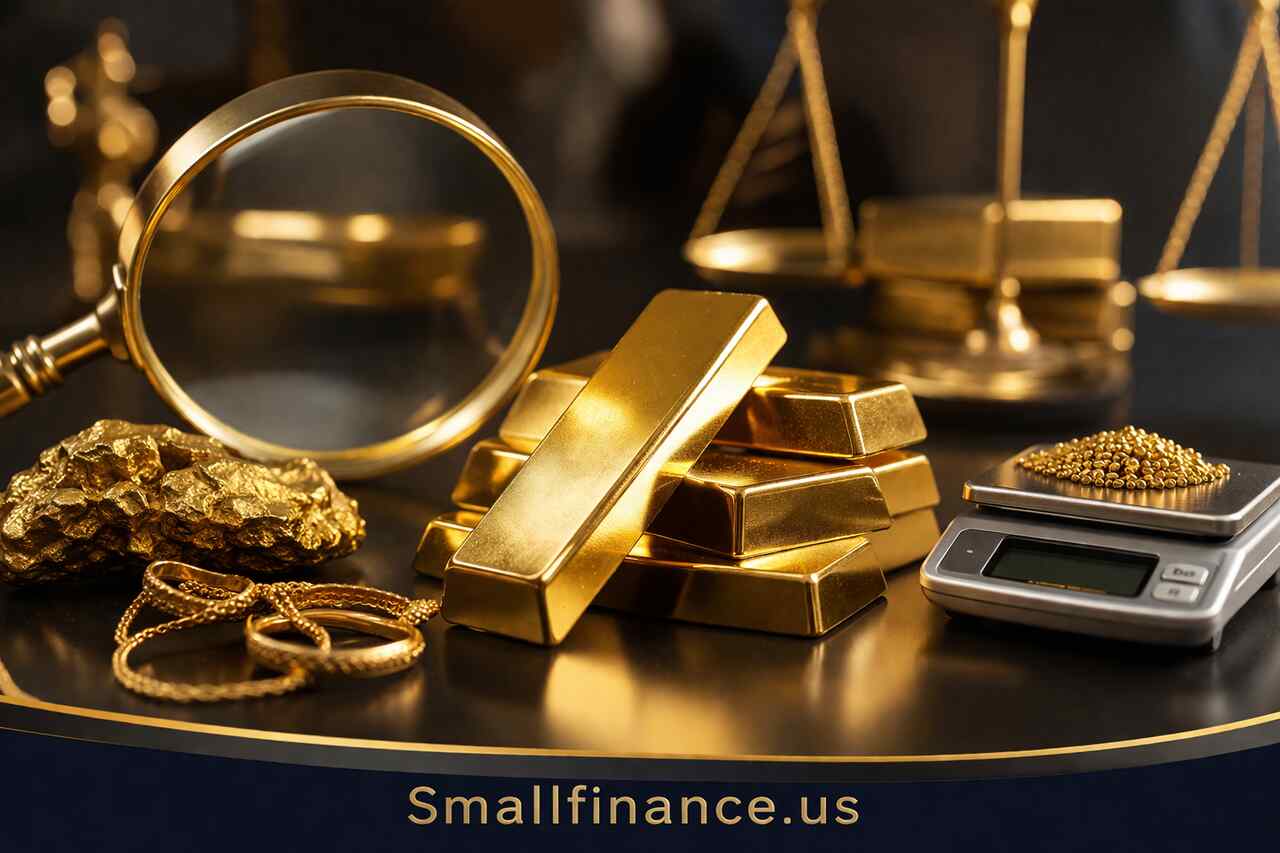
Gold has held value across centuries because it combines beauty, scarcity, durability, and market trust. When people search for quality gold, they usually want more than a shiny metal. They want to know how to tell whether a piece is truly valuable, how purity affects price, how craftsmanship changes long-term worth, and how to avoid paying premium rates for poor-quality jewelry or bullion. A smart buyer does not judge gold by color alone. A smart buyer looks at purity, hallmarks, weight, finish, brand credibility, resale potential, and care requirements.
This guide explains how to evaluate quality gold in a practical way. It covers the core standards that affect real value, including karat ratings, hallmark systems, workmanship, gemstone settings, price calculations, storage, and maintenance. Whether you are shopping for a ring, chain, bracelet, coin, or bar, the same principle applies: quality gold is a mix of metal purity, verified origin, durable construction, and fair pricing. Once you know how each factor works, you can compare products with confidence and buy gold that matches both your budget and your purpose.
Check Gold Purity Before You Compare Any Product
The first step in assessing quality gold is to confirm purity. Gold purity determines how much actual gold exists in a piece compared with other metals in the alloy. A higher purity level means more gold content, but it does not automatically mean the item is better for every use. Jewelry meant for daily wear often benefits from stronger alloy blends, while investment bars usually focus on maximum purity.
Karat is the system most buyers use to measure purity. Twenty-four karat gold contains nearly pure gold, while 18K, 14K, and 10K contain lower percentages mixed with metals such as copper, silver, zinc, or nickel. These added metals affect hardness, color, scratch resistance, and price. For example, 24K gold offers rich color and high intrinsic value, but it bends more easily than 18K or 14K. That makes 24K better for bullion and some special jewelry, while 14K or 18K often performs better in rings and bracelets that face regular contact.
Purity also shapes the user experience after purchase. Higher karat gold may feel more luxurious and may hold stronger melt value, but lower karat options can deliver better durability for active lifestyles. Quality gold depends on matching the purity level to the product’s purpose. A wedding band worn daily has different demands than a ceremonial necklace or a long-term investment coin kept in storage.
| Gold Type | Gold Content | Common Use | Main Advantage | Main Limitation |
| 24K Gold | 99.9% | Bullion, premium jewelry, coins | Highest gold content | Soft and easier to bend |
| 22K Gold | 91.6% | Traditional jewelry, coins | High purity with some added strength | Still softer than 18K or 14K |
| 18K Gold | 75.0% | Fine jewelry, luxury pieces | Strong balance of purity and durability | Higher cost than 14K |
| 14K Gold | 58.3% | Everyday rings, chains, bracelets | Durable and widely affordable | Lower intrinsic gold value |
| 10K Gold | 41.7% | Budget jewelry | Strong and economical | Lower gold content and lighter prestige |
Read Hallmarks and Stamps With Precision
A hallmark gives you a fast way to verify whether gold meets a stated standard. Quality gold usually carries marks that identify purity, manufacturer, country of assay, or certification body. Common stamps include 24K, 22K, 18K, 14K, 10K, 999, 916, 750, and 585. These numbers correspond to the percentage of gold in the item. For example, 750 means 75 percent gold, which is the same as 18K.
Hallmarks matter because appearance can mislead. Gold plating, gold-filled items, and counterfeit alloys may imitate the look of genuine gold. A proper stamp helps distinguish solid gold from lower-value alternatives. Still, a stamp alone is not enough if you are dealing with expensive purchases or unfamiliar sellers. Fake hallmarking exists, especially in unregulated secondary markets. Buyers should combine hallmark checks with a receipt, seller guarantee, or independent testing when the price is significant.
Different regions may follow different marking traditions, and this affects how buyers interpret labels. In some markets, you will see karat marks. In others, you will see fineness numbers. Antique jewelry may also use older hallmark systems that include symbols or assay office marks. When you understand these indicators, you reduce the risk of confusion and improve your ability to compare similar pieces across jewelers, brands, and countries.
Inspect Craftsmanship Instead of Focusing on Color Alone
A piece can contain genuine gold and still fall short on quality if the craftsmanship is poor. Quality gold jewelry shows precision in soldering, clasp construction, symmetry, edge finishing, prong strength, and surface polish. Well-made pieces feel intentional. They do not have rough seams, weak closures, uneven links, loose stones, or visible patches where the finish changes abruptly.
Craftsmanship affects both appearance and lifespan. A high-purity necklace with a weak clasp can fail during wear. An expensive gold ring with poor prong work can lose a diamond. A bracelet with hollow, fragile links may dent quickly even if the alloy itself is authentic. Buyers should examine joints, closures, chain flexibility, backside finishing, and overall weight distribution. In quality gold pieces, the design supports function rather than sacrificing strength for appearance.
The best jewelry combines purity with reliable construction. This is especially important for rings, bangles, earrings, and chains used frequently. Handmade work can add value when executed by a skilled artisan, while machine-made work can offer excellent consistency when the brand maintains strict standards. The key is not whether a product is handmade or factory-made. The key is whether the piece has structural integrity, clean detailing, and lasting wear performance.
Compare Gold Colors by Alloy and Intended Use
Gold appears in several colors because jewelers mix pure gold with different metals. Yellow gold keeps the classic warm appearance many people associate with traditional luxury. White gold typically includes metals such as palladium or nickel and often receives rhodium plating for a bright finish. Rose gold gains its pink tone from copper. Each variation can be quality gold when the alloy balance is correct and the finish is professionally applied.
Color should align with lifestyle and maintenance expectations. Yellow gold often requires less surface treatment than white gold. White gold may need rhodium re-plating over time to maintain its crisp appearance. Rose gold can be durable because copper strengthens the alloy, but its tone may suit some skin tones and fashion styles more than others. Buyers should not assume one color is superior in all cases. Instead, they should compare how each alloy performs in daily wear, repair, and long-term appearance.
The smart way to evaluate gold color is to separate style from substance. White gold is not more valuable merely because it looks modern. Rose gold is not lower quality because it contains more copper. Yellow gold is not always purer just because the tone appears richer. Quality comes from accurate purity, stable alloy composition, skilled finishing, and suitability for the intended use. Once those conditions are met, color becomes a personal choice rather than a measure of authenticity.
Test Authenticity With Reliable Verification Methods
Authenticity testing adds another layer of protection when you buy quality gold. Reputable jewelers often use acid tests, X-ray fluorescence analysis, electronic testers, density checks, and assay verification. Professional testing matters most for high-ticket jewelry, estate pieces, bullion, and secondhand purchases. The goal is to confirm that the item matches its claimed purity and is not merely plated or filled.
Each testing method has strengths. Acid testing is affordable and common, but it can be less precise and may affect tiny areas of the item. X-ray fluorescence gives a non-destructive reading of metal composition and is widely used by professional dealers. Density testing helps compare expected weight against volume, which can reveal hidden base metals. Assay certificates, especially for bars and investment coins, add confidence because they connect the piece to a recognized production standard.
Buyers should treat authentication as part of the buying process rather than an afterthought. This is especially important when deals look unusually attractive. Counterfeit gold often enters the market through informal channels where trust replaces documentation. Quality gold should be verifiable. When a seller resists testing, avoids detailed receipts, or offers vague explanations about purity, that hesitation tells you something important about the risk attached to the purchase.
| Verification Method | Best For | Benefit | Limitation |
| Hallmark Inspection | Jewelry, coins, bars | Fast first check | Can be forged |
| Acid Test | Scrap gold, jewelry | Low-cost purity estimate | Slightly invasive |
| XRF Analysis | Jewelry, bullion, coins | Non-destructive and accurate | Requires professional equipment |
| Density Test | Coins, bars, solid items | Helps detect hidden metals | Less useful for hollow jewelry |
| Assay Certificate | Bars, premium coins | Strong trust and traceability | Depends on issuer credibility |
Calculate Price by Weight, Purity, and Premium
Price is one of the clearest filters for quality gold, but only when you understand how it is built. Gold pricing depends on three core elements: metal weight, purity level, and seller premium. Weight tells you how much material is present. Purity tells you how much of that material is actual gold. Premium covers craftsmanship, branding, design complexity, certification, and retail margin.
Jewelry pricing often differs from bullion pricing because labor and design matter more. A plain 22K bangle may carry a lower premium than an intricate 18K designer bracelet even if the designer piece contains less pure gold. Coins and bars usually follow spot-price logic more closely, although brand reputation, mint origin, and packaging can increase premium. Buyers who want quality gold should compare the gold value and the non-gold value separately. This helps you see whether you are paying for true workmanship or just a sales presentation.
A fair price does not always mean the lowest price. Very cheap offers often hide low purity, hollow construction, plated surfaces, weak clasps, or undisclosed repairs. On the other hand, extremely high markups do not guarantee better value. Quality gold sits where verified purity, dependable construction, and market-appropriate pricing meet. The strongest buying decisions come from comparing similar karat levels, similar weights, and similar product types before committing.
Choose the Right Gold Form for Your Goal
The phrase quality gold means different things depending on your goal. A buyer seeking jewelry for daily wear should prioritize durability, comfort, secure fittings, and repairability. A buyer seeking investment exposure should prioritize purity, liquidity, recognizability, and low premium. A gift buyer may care most about appearance, symbolism, and presentation. The right form of gold depends on the role it will play after purchase.
Jewelry includes rings, necklaces, pendants, bracelets, earrings, and bangles. These products blend beauty with wearability, so quality depends on metal purity and craftsmanship together. Bullion includes bars and coins. These products emphasize measurable gold content and resale ease. Collectible coins add rarity and historical appeal, but numismatic value can move separately from gold value. Gold watches, decorative pieces, and heirlooms occupy a middle ground where design and sentiment may outweigh melt value.
Good buyers match the gold form to the intended outcome. Someone building long-term savings may prefer minted bars or widely traded coins. Someone buying an engagement ring may prefer 18K gold because it balances richness and strength. Someone shopping for a chain worn every day may find 14K more practical. Quality gold is not one universal product. It is the best version of gold for the specific purpose in front of you.
Buy From Reputable Sellers With Clear Documentation
Seller quality has a direct effect on product quality. Trusted jewelers, recognized bullion dealers, certified resellers, and established auction houses reduce the risk of fraud and misrepresentation. They provide invoices, purity details, return policies, and often independent certification. A strong seller also answers technical questions without hesitation and explains the difference between solid gold, plated gold, gold-filled products, and alloy variations.
Documentation supports future resale and insurance. A detailed invoice should include karat, weight, price, product description, and any gemstone details. For bullion, buyers should look for packaging integrity, mint information, serial numbers where applicable, and assay certificates. For fine jewelry, brand papers, authenticity cards, and repair history can strengthen the item’s market trust. These records matter long after the purchase because they help prove exactly what you own.
The seller relationship also affects after-sales experience. Quality gold jewelry may need resizing, re-polishing, stone tightening, or clasp repair over time. Reputable sellers usually provide service options or guidance for maintenance. Informal sellers may disappear after the sale, leaving the buyer with uncertainty about purity, repair standards, or resale channels. Gold is a valuable asset, and the purchase process should reflect that level of seriousness.
Review Gemstone Settings and Structural Details Carefully
When gold jewelry includes diamonds, sapphires, emeralds, or other stones, the quality assessment must go beyond the metal itself. The gold framework holds and protects the stones, so the setting becomes a key part of total quality. A piece may use excellent gold but still be poor value if the prongs are thin, the bezel is uneven, or the stones are loosely mounted.
Prong settings should grip stones evenly and securely. Bezels should sit smooth around the stone with no gaps. Channel settings should align stones consistently without visible instability. Clasps should close firmly, earring backs should fit snugly, and ring shanks should maintain even thickness. In pendants and bracelets, connection points matter because they carry the mechanical stress of movement. Structural weakness often appears first in these small components, not in the main decorative area.
This matters even more in daily-wear jewelry. An engagement ring faces impact, soap exposure, temperature changes, and repeated contact with hard surfaces. A tennis bracelet flexes constantly. Hoop earrings rely on closure precision. Quality gold in gemstone jewelry is therefore a package of metal purity, mounting security, wear comfort, and repair practicality. Buyers who inspect only the center stone or only the karat mark miss part of the real value picture.
Maintain Gold Properly to Preserve Appearance and Value
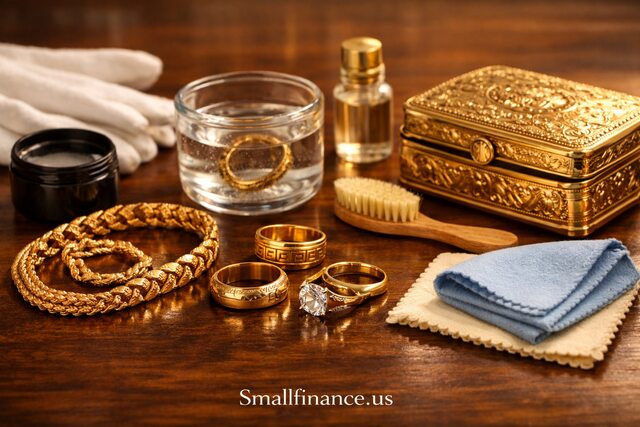
Proper care protects both the look and the life of quality gold. Gold does not rust, but it can scratch, bend, dull, or lose plating depending on the alloy and the way it is worn. Rings and bracelets face the most contact, so they benefit from routine cleaning and periodic professional inspection. White gold often needs re-plating over time, while yellow and rose gold may mainly need polishing and dirt removal.
Daily habits influence condition more than many buyers expect. Gold jewelry should be removed during heavy exercise, gardening, harsh cleaning tasks, and activities that involve chlorine, abrasive surfaces, or repeated impact. Soft pouches, separate compartments, and lined jewelry boxes reduce scratches caused by metal-on-metal contact. Mild soap, warm water, and a soft brush work well for many pieces, though jewelry with fragile stones or antique finishes may require specialized care.
Maintenance also protects resale strength. Clean, well-preserved gold with intact hallmarks, original finish, and complete paperwork usually commands stronger buyer confidence than damaged pieces with uncertain history. For heirlooms, regular care helps preserve sentimental and financial value at the same time. Quality gold remains quality over the years when the owner treats it as an asset rather than as an indestructible accessory.
Store and Insure Gold With Long-Term Security in Mind
Storage becomes essential once your gold holdings grow in value. Jewelry kept at home should stay in a dry, protected location away from humidity, direct sunlight, and unnecessary handling. Bullion should remain in original packaging when possible because sealed condition supports verification and resale. For larger holdings, a safe, bank deposit box, or insured vaulting service may provide stronger protection than ordinary household storage.
Insurance matters because gold is portable, high-value, and attractive to thieves. Jewelry insurance can cover loss, theft, or damage, while homeowner policies may provide only limited protection unless valuable items are separately listed. Accurate appraisals, purchase receipts, photos, and serial or certification details help establish coverage and simplify claims. A buyer who spends carefully on quality gold should also protect that purchase with equal care afterward.
Long-term ownership adds another layer of planning. Families often transfer gold through inheritance, gifting, or estate division. Clear records make those transitions smoother. Storage choices also affect condition. Loose chains can knot, soft 24K pieces can deform, and mixed items can scratch one another. Security is not only about preventing theft. It is also about preserving form, finish, and resale readiness over time.
Track Resale Potential Before You Finalize a Purchase
Resale potential reveals whether quality gold will remain liquid when your needs change. Gold bars and widely recognized coins often resell more easily because purity and weight are standardized. Fine jewelry can also resell well, but the result depends on brand, condition, purity, design relevance, and gemstone demand. Buyers who understand resale before they purchase usually make more rational decisions.
Several factors influence resale value. Higher purity supports stronger intrinsic value, but strong design houses can also command premiums beyond metal content. Plain broken jewelry may sell close to melt value, while luxury pieces with branding and documentation may earn more. Market timing matters as well, because gold prices move and fashion trends change. Classic designs tend to retain broader demand than highly seasonal styles.
A practical buyer asks one simple question before purchasing: who would want this item later, and on what basis would they price it? Bullion buyers focus on gold weight and assay trust. Jewelry buyers evaluate beauty, brand, condition, and wearability. Understanding this distinction helps you decide whether you are buying for personal use, gifting, collecting, or liquidity. Quality gold should satisfy your immediate purpose without trapping you in a poor resale position later.
Conclusion
Quality gold is never defined by shine alone. Real value comes from verified purity, reliable hallmarking, thoughtful alloy choice, strong craftsmanship, fair pricing, secure settings, trustworthy sellers, and proper long-term care. A buyer who understands these factors can evaluate rings, chains, bracelets, coins, and bars with much greater confidence.
The strongest gold purchase is the one that fits its purpose. High-purity bullion suits investment goals. Durable 14K or 18K jewelry suits daily wear. Certified products from reputable sellers reduce risk, while good maintenance preserves both appearance and resale strength. When you assess quality gold through purity, structure, documentation, and practicality together, you move from guesswork to informed ownership.
FAQ’s
How can I tell if quality gold is real?
Start by checking the hallmark, such as 999, 916, 750, or 585, and then verify the item through a reputable jeweler or dealer. Professional methods like XRF testing, acid testing, and assay certificates offer stronger confirmation than visual inspection alone.
Is 24K always better than 18K or 14K?
Not in every situation. Twenty-four karat gold has the highest gold content, but it is softer. Eighteen karat and fourteen karat gold often work better for everyday jewelry because they resist wear more effectively.
Does heavier gold always mean better quality?
No. Greater weight can increase intrinsic value, but quality also depends on purity, construction, hallmark accuracy, and design integrity. A heavy piece with weak links or poor finishing may still be a poor purchase.
Which gold color is best for long-term use?
Yellow, white, and rose gold can all be excellent choices. The best option depends on your style, maintenance preference, and daily wear needs. White gold usually needs re-plating, while yellow and rose gold often require less surface upkeep.
Should I buy gold jewelry or gold bullion?
That depends on your goal. Jewelry offers wearability and emotional value, while bullion focuses more directly on gold content and resale liquidity. Buyers seeking investment efficiency often prefer bars or coins, while buyers seeking beauty and personal use prefer jewelry.
Does documentation matter when buying gold?
Yes. Receipts, certification, weight details, hallmark information, and appraisal records support authenticity, insurance, servicing, and resale. Good documentation adds confidence and reduces future disputes.
